
Sauna Benefits for Men: Evidence-Based Guide | Psycle
Sauna Benefits for Men

Key Takeaways
- A landmark 20-year study of 2,315 Finnish men found that sauna use 4–7 times per week reduced fatal cardiovascular disease risk by 50% compared to once-weekly bathing (Laukkanen et al., JAMA Internal Medicine, 2015).
- Frequent sauna bathing is associated with a 61% lower stroke risk — one of the most significant modifiable lifestyle interventions in the cardiovascular literature.
- Regular heat exposure at 80–100°C triggers growth hormone release and supports testosterone function — particularly relevant for men over 35 experiencing age-related hormonal decline.
- Heat stress reduces delayed-onset muscle soreness and accelerates post-training recovery by increasing blood flow to skeletal muscle and stimulating heat shock protein production.
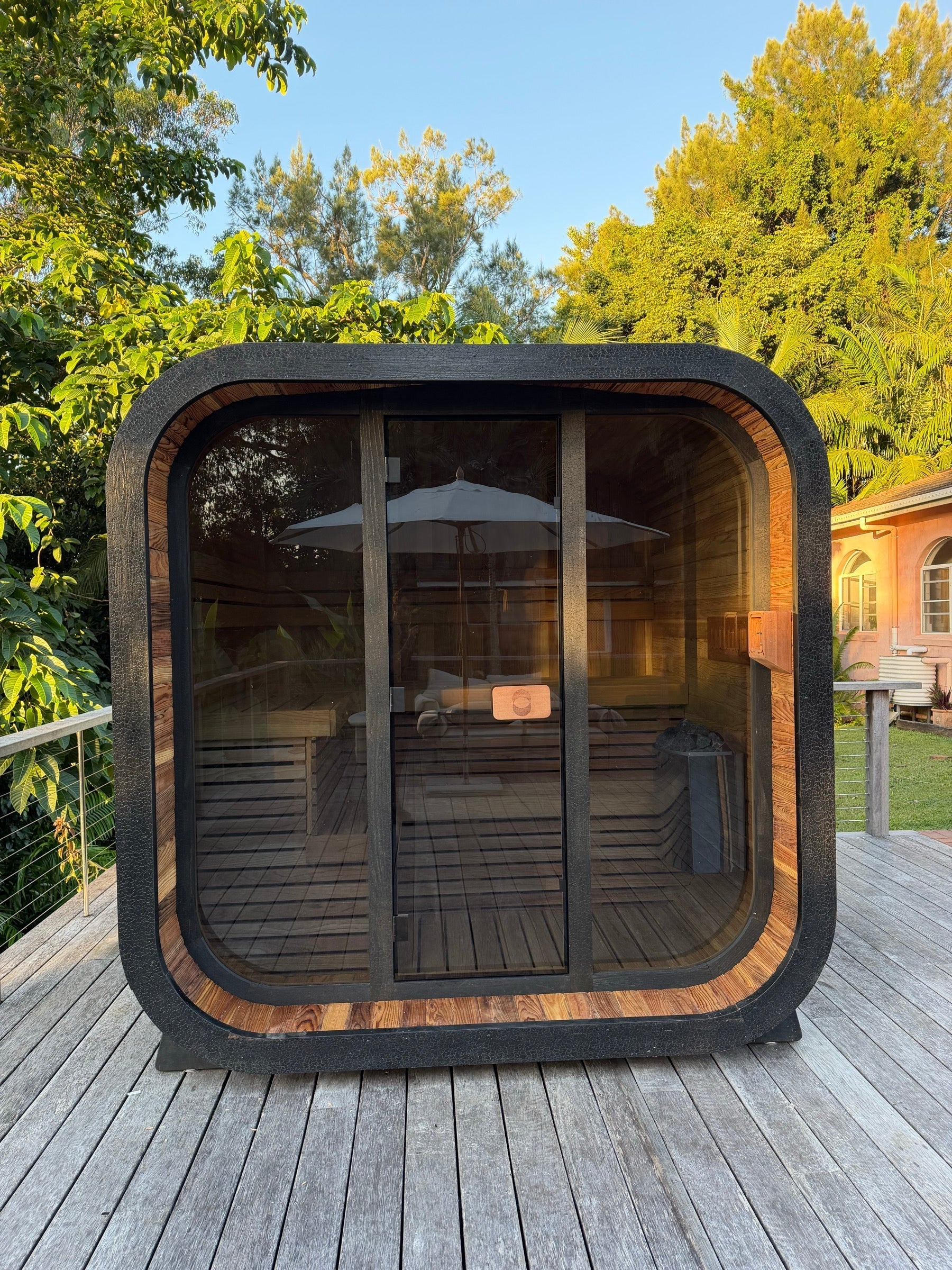
- The Psycle Genesis delivers zero-glue Japanese Cedar construction, a HUUM DROP 9kW heater with 60kg of Olivine diabase stones, and blue-light-free amber LED lighting — engineered to Finnish standards, built for the Australian climate.
- Running a Genesis session costs approximately AU$0.50–$1.00 per 45 minutes — less than a single gym recovery suite visit.
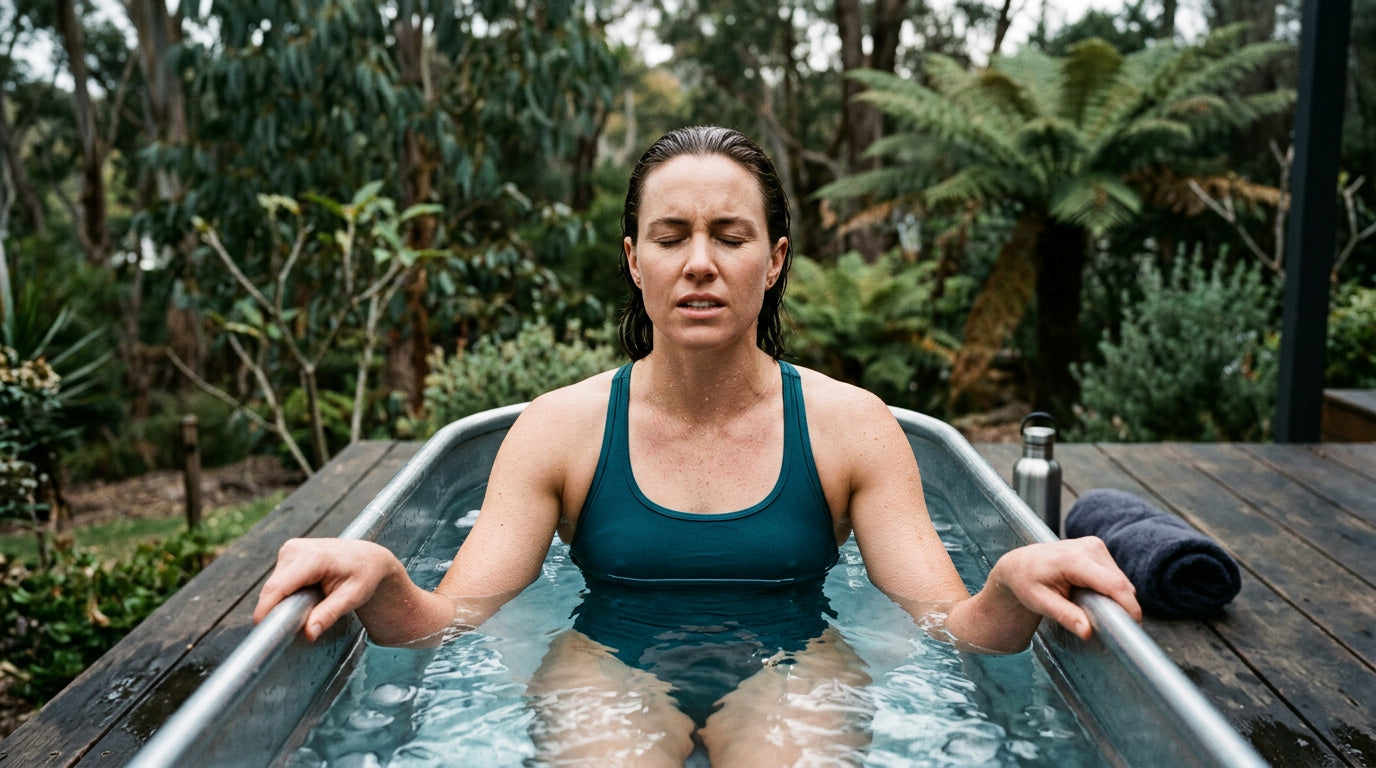
- The Contrast Kit (Genesis + Origin cold plunge) is the complete male performance stack: heat for cardiovascular adaptation and hormonal support, cold for inflammation control and resilience.
By Psycle Wellness · Last updated: May 2026 · 14 min read
Sauna benefits for men include reduced cardiovascular mortality, improved testosterone function, faster muscle recovery, lower cortisol, better sleep, and measurable longevity gains, all supported by peer-reviewed research. A 20-year cohort study of 2,315 Finnish men found that sauna use 4–7 times per week cut the risk of fatal cardiovascular disease by 50%.
This is the complete guide to what Finnish sauna use actually does for the male body, covering the cardiovascular system, hormonal health, physical recovery, mental performance, and longevity. Every claim is backed by named research. For the broader picture, start with our evidence-based sauna benefits guide for Australians.
Most Men Are Recovering Wrong
You train hard, work harder, and squeeze sleep into whatever is left. Recovery is an afterthought: a foam roller at 11pm, a physio appointment when something breaks, or nothing at all. That is not a recovery strategy. That is damage accumulation with optimism.
Most men approaching their late thirties and forties notice the same pattern. Sleep gets worse. Soreness lasts longer. Motivation dips. Testosterone declines at roughly 1–2% per year from age 30 onward. Resting heart rate creeps up. Cardiovascular events, the number one killer of Australian men, do not announce themselves in advance.
The default response is to add more: more supplements, more sessions, more coffee. The research points in the opposite direction. What the male body responds to is deliberate, repeated thermal stress, the kind practiced in Finland for thousands of years and now one of the most studied lifestyle interventions in cardiovascular medicine.
This is not a trend. It is not a spa treatment. It is a performance and longevity tool with more high-quality evidence behind it than most pharmaceuticals your GP would offer instead.
Sauna Cardiovascular Health for Men: The 50% Number
Regular sauna use ranks among the most powerful non-pharmacological interventions for cardiovascular health in men, and the evidence behind that claim is stronger than almost anything else in the lifestyle medicine literature.
A 20-year cohort study of 2,315 Finnish men by Laukkanen et al., published in JAMA Internal Medicine (2015), found that sauna use 4–7 times per week reduced the risk of fatal cardiovascular disease by 50% compared to once-weekly bathing. The same research group found that frequent sauna use was associated with reduced all-cause mortality, lower blood pressure, and improved arterial compliance.
The mechanism is well understood. Repeated exposure to 80–100°C ambient heat forces the cardiovascular system to adapt in ways that mirror moderate aerobic exercise. Heart rate rises to 100–150 beats per minute. Cardiac output increases. Peripheral blood vessels dilate. The heart is trained without joint loading, without metabolic depletion, and without recovery debt.
Research by Laukkanen et al. in Neurology (2018) found that sauna bathing 4–7 times per week was associated with a 61% lower risk of stroke compared to once-weekly use. That is a larger protective effect than most blood pressure medications achieve in clinical trials.

For Australian men, where cardiovascular disease accounts for 43% of all male deaths according to the Australian Institute of Health and Welfare, this is not an abstract statistic. It is a direct, evidence-backed argument for building a sauna practice before the problem arrives, not after.
Explore the full evidence in our dedicated guide to sauna cardiovascular health in Australia.
Sauna and Testosterone: What the Science Shows for Men
Sauna use does not directly raise testosterone in a single session, but the relationship between regular heat exposure and male hormonal health is significant, particularly for men over 35 experiencing age-related androgen decline.
The primary hormonal signal from sauna use is a sharp rise in human growth hormone (HGH). A 1987 study by Leppäluoto et al. published in Acta Physiologica Scandinavica found that two 20-minute sauna sessions at 80°C, separated by a 30-minute cooling period, produced a 16-fold increase in HGH compared to baseline. Growth hormone stimulates muscle protein synthesis, drives fat metabolism, and supports the hormonal environment in which testosterone functions most effectively.
There is also a stress-reduction pathway. Chronically elevated cortisol directly suppresses testosterone production through the hypothalamic-pituitary-gonadal axis. A 2021 study in the International Journal of Environmental Research and Public Health found that regular sauna bathing (3+ sessions per week) produced measurable reductions in cortisol levels and self-reported psychological stress within four weeks. Lower cortisol creates a more favourable hormonal environment for testosterone maintenance.
One important caveat: acute scrotal hyperthermia, sitting directly on a hot surface without a barrier, can temporarily reduce sperm motility. This is resolved by using a towel during sessions. It does not affect testosterone levels. For a detailed breakdown of the hormonal evidence, read our full guide to sauna benefits for testosterone.
Built for the Way Australian Men Train and Recover
Japanese Cedar interior. Zero-glue construction. HUUM DROP 9kW heater with 60kg of volcanic stone. The Genesis is engineered to Finnish standards and delivered Australia-wide.
SEE THE CONTRAST KIT →Sauna for Muscle Recovery: What Happens After You Train
Sauna after training accelerates muscle recovery by increasing blood flow to fatigued tissue, clearing metabolic waste, and triggering heat shock protein synthesis, a cellular repair mechanism that directly reduces delayed-onset muscle soreness.
Heat exposure causes peripheral vasodilation. Blood flow to skeletal muscle increases significantly. Research by Heinonen et al. in the Journal of Physiology (2011) measured up to a fivefold increase in muscle blood flow during sauna bathing. Nutrients and oxygen reach damaged tissue faster. Metabolic byproducts clear faster. The result is measurably shorter recovery windows between training sessions.
Heat shock proteins (HSPs) are the other mechanism. Heat stress activates HSP70 and HSP90 expression in muscle cells. These proteins repair damaged proteins, protect cells from further stress, and reduce inflammatory signalling. For men training 4–6 times per week, this is not a marginal gain. It is the difference between arriving at the next session fresh and arriving at it still carrying the last one.

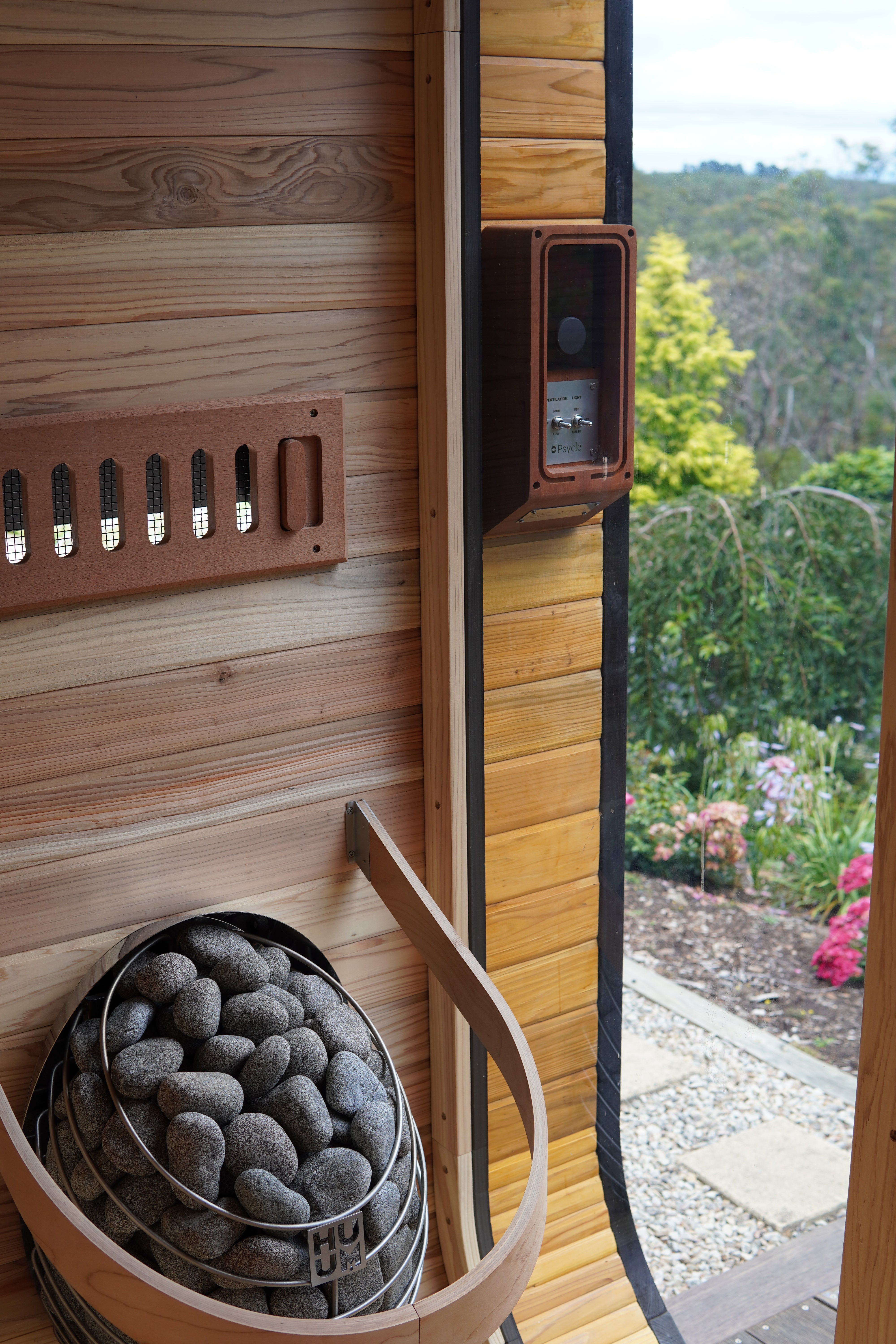
The HUUM DROP 9kW heater in the Genesis carries 60kg of Olivine diabase stones, a stone mass that holds heat through repeated löyly pours without temperature drop. That matters for recovery sessions: a heater that loses temperature when you add steam does not deliver consistent thermal stress, and consistent thermal stress is what drives adaptation.
For the complete post-training protocol, timing, duration, temperature, and contrast pairing, see our guide to sauna use after workout for recovery.
| Recovery Method | Mechanism | Frequency Possible | Annual Cost (AU) |
|---|---|---|---|
| Sauna (home, Genesis) | Vasodilation, HSP activation, HGH release | Daily | ~$180–$365 (running cost) |
| Physio / sports massage | Soft tissue manipulation | 1–2x/week | $5,200–$16,640 |
| Gym recovery suite | Mixed (often infrared or steam) | Gym hours only | $1,200–$2,400 (membership) |
| Ice bath (commercial) | Vasoconstriction, inflammation reduction | Studio hours only | $2,000–$4,000+ |
| Contrast Kit (home) | Full thermal contrast — heat + cold | Daily, any time | Running cost only after purchase |
Sauna and Cortisol: The Stress Reduction Mechanism Most Men Ignore
Chronic stress is not a mindset problem. It is a physiological one. Sustained cortisol elevation degrades testosterone, impairs sleep architecture, increases visceral fat storage, and accelerates cardiovascular ageing. Most high-performing men are running elevated cortisol as a baseline.
A 2021 study in the International Journal of Environmental Research and Public Health found that regular sauna bathing (3+ sessions per week) produced measurable reductions in cortisol levels and self-reported psychological stress within four weeks. The mechanism is partly neuroendocrine: heat exposure activates the parasympathetic nervous system and suppresses the hypothalamic-pituitary-adrenal axis response that drives cortisol output.
There is also a structural argument. A sauna session demands that you do nothing else. No screens. No decisions. No ambient noise pulling at your attention. Twenty minutes at 90°C is one of the few contexts in modern life where enforced decompression is the only option. For men carrying a high cognitive load, that is not a luxury. It is a recovery necessity.
The mental health evidence extends beyond cortisol. Research reviewed in JAMA Internal Medicine links frequent sauna use to lower rates of psychosis, depression, and anxiety in male cohorts. For a deeper look at the evidence, see our guide to sauna and mental health in Australia.
Sauna and Sleep Quality: The Recovery Window Most Men Are Wasting
Poor sleep is the single most damaging recovery variable for men, and one of the most responsive to thermal intervention. Sauna use 1–2 hours before bed is one of the most evidence-backed sleep improvement tools available without a prescription.
A 2019 systematic review and meta-analysis by Haghayegh et al., published in Sleep Medicine Reviews, found that passive body heating 1–2 hours before bedtime, such as a hot bath or sauna, improved sleep onset, sleep efficiency, and slow-wave (deep) sleep. The mechanism is the post-heating core temperature drop. As the body cools after sauna exposure, it mimics the natural pre-sleep temperature decline that triggers melatonin release and sleep initiation.
For men who train late, work late, or carry high cognitive load into the evening, this directly counters the hyperarousal state that kills sleep quality. The Genesis uses blue-light-free amber LED lighting at 585–590nm specifically because blue-spectrum light suppresses melatonin. An evening session in the Genesis does not fight your sleep, it sets it up. For the full evidence, read our guide to sauna use for sleep in Australia.
Sauna and Longevity: The Long-Game Case for Australian Men
Sauna use is one of the few lifestyle habits with direct evidence linking frequency to reduced all-cause mortality, not just disease-specific risk reduction, but a measurably longer life.
The Laukkanen cohort, which followed 2,315 Finnish men over 20 years, found progressive dose-response relationships across cardiovascular mortality, stroke risk, dementia risk, and all-cause death. The men who used the sauna most frequently lived longer and suffered fewer major health events across every category measured. This was not a short intervention trial. It was two decades of real-world data.
The longevity mechanisms compound over time. Cardiovascular adaptation reduces the leading cause of male death in Australia. Cortisol reduction protects telomere length and immune function. Improved sleep drives cellular repair. Growth hormone spikes support metabolic health and body composition. No single session produces longevity. The accumulated effect of a daily practice does.
For the complete longevity evidence base, including dementia, Alzheimer's, and all-cause mortality data, read our guide to sauna and longevity in Australia.
How Australian Men Are Using Sauna — and Why the Setup Matters
The fastest-growing segment of home sauna buyers in Australia is not retirees with space to fill. It is men in their late thirties and forties: professionals, athletes, and business owners who have decided that commercial gym recovery is too inconvenient, too expensive, and too inconsistent to build a real practice around.
“The shift we are seeing is men treating the sauna the way serious athletes treat an ice bath, as non-negotiable infrastructure, not an occasional treat,” says the Psycle Wellness team, based in Byron Bay. “Once it is in the backyard, the compliance rate is near-total. No drive time. No waiting. No closing time.”
Byron Bay and the broader Northern Rivers region, where Psycle is based, has become a reference point for this shift. Outdoor decks, warm evenings, and a culture that values performance without pretension. The Genesis is designed for exactly that context: IP67-rated lighting that handles the humidity, a Colorbond roof kit for fully exposed outdoor placement, Japanese Cedar that weathers well in coastal Australian conditions.
The running cost question comes up in every sales conversation. A 45-minute Genesis session draws approximately 9kW for a 45-minute heat cycle, costing AU$0.50–$1.00 at current Australian electricity rates of AU$0.30–$0.35 per kWh. Compare that to a weekly physio appointment at AU$100–$160 per session, or a gym membership at AU$1,200–$2,400 per year that includes a recovery suite you will use at best twice a week during gym hours.
The Genesis is not cheap. It is not meant to be. Custom European sauna installations run AU$40,000–$120,000. The Genesis delivers that standard of materials, zero-glue construction, 38mm Japanese Cedar walls, dual-layer 8mm safety laminated tempered glass, at a price that reflects the engineering without the commercial markup. For a full breakdown, see our guide to home sauna costs in Australia.
For men considering where to position a sauna, indoors, on a deck, or in a dedicated garden structure, our complete guide to outdoor saunas in Australia covers placement, weatherproofing, and council considerations state by state.
The Contrast Protocol: Sauna + Cold Plunge for Men
Contrast therapy, alternating between sauna heat and cold immersion, is the most complete thermal recovery protocol available. Heat drives cardiovascular adaptation, hormonal signalling, and muscle repair. Cold drives inflammation control, dopamine release, and autonomic nervous system resilience. Together, they produce outcomes neither achieves alone.
The physiological mechanism is vascular exercise. Heat causes vasodilation. Cold causes vasoconstriction. Alternating between them creates a pumping effect through the vascular system, improving circulation, flushing metabolic waste from muscle tissue, and accelerating the return to baseline after intense training.
The psychological effect is equally documented. Cold exposure triggers a 250–300% increase in dopamine that sustains for several hours post-immersion, according to research by Srámek et al. in the European Journal of Applied Physiology (2000). For men managing high cognitive demand, mood volatility, or motivation deficits, this is a measurable tool, not a wellness abstraction.
Preheat the Genesis to 85–95°C
Allow 20–30 minutes for the 60kg stone mass to reach full heat saturation. The HUUM UKU WiFi app lets you start this remotely — the sauna is ready when you arrive.
First heat round: 12–20 minutes
Use the upper bench for maximum intensity. Pour löyly at the midpoint to spike humidity and drive sweat response. Exit before discomfort becomes distress — this is training, not endurance testing.
Cold plunge: 2–4 minutes in the Origin
Target 10–15°C for maximum vasoconstriction and dopamine response. Control the breath. Do not rush out. The adaptation happens in the final 60 seconds when the urge to exit is strongest.
Rest: 5–10 minutes
Let the autonomic nervous system rebalance. This rest period is not passive — it is where much of the hormonal signalling resolves. Do not rush back into the next round.
Repeat 2–3 rounds total
Three full rounds of heat and cold takes approximately 60–75 minutes. This is the format used in the Finnish research protocols and the format that produces the strongest cardiovascular and hormonal response.
Rehydrate and allow 30 minutes before training or sleep
Electrolyte replacement matters more than water volume. For a sleep protocol, complete your final cold round at least 90 minutes before bed to allow core temperature to stabilise at the optimal pre-sleep level.
For the complete contrast therapy evidence and a range of protocols by goal, recovery, performance, sleep, and mental health, see our complete guide to contrast therapy in Australia.
The Complete Male Performance Stack
Heat recovers you. Cold hardens you. Together, they transform you. The Contrast Kit — Genesis sauna and Origin cold plunge — is the complete setup, delivered Australia-wide with a 3-year cabin warranty and $1,000 refundable deposit.
EXPLORE THE CONTRAST KIT →Traditional Sauna vs Infrared for Men: Why Temperature Matters
Every major study showing cardiovascular protection, stroke risk reduction, and longevity benefits, including the entire Laukkanen cohort, was conducted using traditional Finnish saunas operating at 80–100°C with steam (löyly). Infrared saunas operate at 50–70°C and have a separate, thinner evidence base. These are not interchangeable.
| Factor | Traditional Finnish Sauna | Infrared Sauna |
|---|---|---|
| Operating temperature | 80–100°C | 50–70°C |
| Evidence base | 20+ years, 2,315-man cohort data (Laukkanen) | Smaller trials, shorter durations |
| Cardiovascular response | HR 100–150 BPM, mimics moderate aerobic exercise | Lower HR response at reduced temperatures |
| Löyly (steam) | Yes — water poured on stones, humidity variable 10–30% | No |
| Toxin risk | Zero — if zero-glue construction (Genesis) | VOC risk from adhesives if MDF construction |
| Social capacity | 3–5 persons (Genesis) | Typically 1–2 persons |
For a detailed breakdown of the evidence, construction, and use-case differences, read our traditional vs infrared sauna comparison.
The Genesis and Genesis Mini: Engineered for Men Who Do Not Compromise
Most home saunas in the Australian market are built with glued MDF panels and particle board interiors. Heat that to 90°C and the adhesives off-gas formaldehyde, a Group 1 carcinogen according to the International Agency for Research on Cancer. Every session becomes the opposite of what you are trying to achieve.
The Genesis uses zero-glue mechanical joints throughout. No adhesives anywhere in the structure. The interior is 38mm Japanese Cedar, a timber chosen for its dimensional stability at high heat, its natural antimicrobial properties, and its thermal comfort against bare skin. The exterior finish options are Natural Cedar or Charcoal (Shou Sugi Ban), the Japanese charred timber technique that provides strong weatherproofing without chemical treatment.
The heater choice defines the session experience. The HUUM DROP 9kW carries 60kg of Olivine diabase stones, three times the stone mass of most competitor heaters at this price point. More stone mass means more thermal inertia: the temperature does not drop when you pour löyly, and the steam quality is denser and more consistent. For men who want the full Finnish experience, stone volume is not a minor spec. It is the session.
Active ventilation at 88–120 m³/hr pulls fresh air through the cabin continuously. Stale, humid air is the reason most home sauna sessions feel oppressive rather than restorative. Forced ventilation keeps oxygen levels stable and heat quality consistent for the full duration. For the complete technical breakdown, see our guide to sauna ventilation in Australia.
The Genesis Mini delivers the same zero-toxin specification, same Japanese Cedar, same zero-glue joints, same IP67 lighting, same ventilation spec, in a 1–3 person footprint (1571mm wide) that suits apartments, compact backyards, and smaller outdoor decks. It runs on a 32A circuit versus the Genesis's 50A requirement. For buyers comparing both options, our complete home sauna buyer's guide for Australia covers the decision criteria in detail.
Both models ship Australia-wide with a 120-day build lead time and a $1,000 refundable deposit. The 3-year cabin warranty is the longest offered by any sauna manufacturer currently selling into the Australian market.
What Australian Men Who Use the Genesis Actually Say
The buyers who invest in a Genesis are not first-time sauna users looking for a novelty purchase. They are men who have used commercial saunas, tried cheaper home options, and decided they are done compromising.
“I've run this protocol daily for 90 days. My recovery markers do not lie. HRV up, resting heart rate down, and I am sleeping through the night for the first time in years. The quality of the build is immediately obvious — this is not a flat-pack sauna. It is a piece of architecture.” — Genesis owner, Sydney.
“Having the cold plunge right next to the sauna changes everything. You actually do the contrast sessions because it is there. No excuses, no drive time, no waiting for someone else to finish. Just the protocol, every morning.” — Contrast Kit owner, Melbourne.
The compliance argument is real. Commercial sauna visits require travel, scheduling, and gym hours. A home setup removes all three variables. The research protocols that produced 50% reductions in cardiovascular mortality required 4–7 sessions per week. That frequency is only achievable at home.
For lifestyle and placement inspiration, see how the Genesis looks in a coastal Queensland garden setting — Psycle Staging: genesis-coastal-qld-portrait — or the deck foliage install at golden hour — Psycle Staging: genesis-foliage-deck-golden-hour.
How Often Should Men Use a Sauna? Frequency and Duration Guide
The research evidence is consistent: more frequent use produces stronger outcomes. For most men starting a sauna practice, building gradually is more sustainable than launching straight into daily sessions.
| Experience Level | Frequency | Duration per Round | Temperature |
|---|---|---|---|
| New to sauna | 2–3 sessions/week | 8–12 minutes | 70–80°C |
| Intermediate (3–6 months) | 3–5 sessions/week | 12–20 minutes | 80–90°C |
| Regular practice (6+ months) | 4–7 sessions/week | 15–20 minutes per round | 85–100°C |
| Contrast protocol (with cold) | 3–7 sessions/week | 2–3 rounds of 12–20 min heat + 2–4 min cold | 85–95°C / 10–15°C |
For a full evidence-based guide to session length, see our article on how long to stay in a sauna by goal and experience level. For frequency guidance, see our complete sauna frequency guide.
Frequently Asked Questions: Sauna Benefits for Men
Is sauna good for testosterone in men?
Sauna use supports the hormonal environment for testosterone by reducing cortisol and triggering a significant growth hormone release, up to 16 times baseline after two 20-minute sessions at 80°C (Leppäluoto et al., 1987). It does not directly raise testosterone in a single session, but regular use reduces the cortisol load that suppresses androgen production over time. Men using a towel during sessions avoid any concern about scrotal hyperthermia and sperm motility.
How often should men use a sauna to see health benefits?
The strongest health outcomes, including the 50% cardiovascular mortality reduction, were observed in men using the sauna 4–7 times per week in the Laukkanen cohort study. Meaningful benefits were also seen at 2–3 sessions per week. For most men starting a practice, 3 sessions per week is a sustainable and evidence-backed starting point, building toward daily use over 3–6 months.
What temperature should a sauna be for men's health benefits?
All major research showing cardiovascular protection, stroke risk reduction, and longevity benefits was conducted in Finnish saunas operating at 80–100°C. This is the temperature range the Genesis is designed for. Lower temperatures, as found in infrared saunas at 50–70°C, have a separate, thinner evidence base. For men seeking the outcomes from the Laukkanen data, a traditional sauna at 80°C or above is the correct tool. For more detail, see our guide to how hot a sauna should be.
Can sauna use improve heart health in Australian men?
Yes, and this is the most thoroughly evidenced benefit in the sauna literature. A 20-year study of 2,315 Finnish men found a 50% reduction in fatal cardiovascular disease risk with 4–7 weekly sauna sessions (Laukkanen et al., JAMA Internal Medicine, 2015). The same research group found a 61% lower stroke risk. In Australia, where cardiovascular disease accounts for 43% of male deaths, this evidence is directly relevant. The mechanism is heat-driven cardiovascular conditioning that mimics moderate aerobic exercise without joint loading.
Does sauna help with muscle recovery after training?
Yes. Sauna use after training increases blood flow to skeletal muscle by up to fivefold (Heinonen et al., Journal of Physiology, 2011), accelerating nutrient delivery and metabolic waste clearance. Heat stress also activates heat shock proteins (HSP70, HSP90) that directly reduce delayed-onset muscle soreness. Men training 4–6 times per week see measurably shorter recovery windows when sauna is added to their post-training routine. See our guide to sauna after workout for recovery for timing and duration protocols.
What is contrast therapy and why do men use it?
Contrast therapy is the practice of alternating between sauna heat and cold immersion, typically 12–20 minutes of sauna followed by 2–4 minutes in a cold plunge at 10–15°C, repeated 2–3 rounds. It combines cardiovascular adaptation and hormonal signalling from heat with inflammation control and dopamine release from cold. Cold exposure alone produces a 250–300% dopamine increase that sustains for hours. For men managing high training loads, stress, or sleep deficits, contrast therapy addresses all three simultaneously. See our guide to contrast therapy in Australia for full protocols.
Is a home sauna worth it for men in Australia?
For men who want to use the sauna 4–7 times per week, the frequency the research requires for maximum benefit, a home setup is the only practical option. Commercial saunas require scheduling, travel, and gym hours. A Genesis at home runs approximately AU$0.50–$1.00 per 45-minute session. That compares to AU$100–$160 per physio visit or AU$1,200–$2,400 per year for a gym membership. Over 5–10 years, the economics are not close. For a full cost analysis, see our home sauna cost guide for Australia.
Ready to Build This Into Your Daily Practice?
The Contrast Kit includes the Genesis 3–5 person sauna and the Origin cold plunge. Free Australia-wide delivery. 3-year cabin warranty. $1,000 refundable deposit. 120-day build — order now for spring delivery.
SHOP THE CONTRAST KIT →