
Sauna Benefits Testosterone: The Science Guide | Psycle
Sauna Benefits Testosterone: The Science, the Protocol, and the Honest Answer

Key Takeaways
- Traditional Finnish sauna sessions can raise growth hormone levels by 200–300%, with two 20-minute sessions separated by a 30-minute cool-down producing the most pronounced effect (University of New Mexico research).
- The relationship between sauna use and testosterone is indirect but measurable — heat stress lowers cortisol and supports the LH signalling pathway that drives testosterone production.
- Scrotal cooling via cold plunge after sauna sessions is not a risk — it is the protocol. Core temperature reset is essential for hormonal rebound and reproductive health.
- Traditional dry sauna at 80–100°C produces a stronger hormonal stimulus than infrared sauna at 50–70°C due to deeper heat penetration and more pronounced heat shock protein activation.
- A 20-year Finnish cohort study found that men who sauna 4–7 times per week had a 50% lower risk of fatal cardiovascular events — the systemic health base that supports hormonal function.
- The Psycle Contrast Kit (Genesis sauna + Origin cold plunge) is engineered specifically for the heat-cold protocol that drives hormonal adaptation — not two separate purchases bolted together.
- At approximately AU$0.50–$1.00 per 45-minute session, a home contrast setup costs less per use than a single gym recovery suite visit.
By Psycle Wellness · Last updated: June 2026 · 14 min read
Regular sauna use supports testosterone and hormonal health primarily by reducing cortisol, activating heat shock proteins, and triggering acute growth hormone surges of 200–300%. The effect is not a direct testosterone spike. It is a systemic hormonal environment that makes testosterone production more efficient over time.
That distinction matters. The men getting the most from heat therapy are not chasing a single-session testosterone hit. They are building a daily protocol — heat, cold, rest — that keeps cortisol suppressed, growth hormone elevated, and the body's recovery systems firing. The research behind this is Finnish, peer-reviewed, and unambiguous. The only question is whether you are doing it correctly.
What Most Men Are Actually Doing to Their Hormones
Chronic stress is the most effective testosterone suppressant available. Elevated cortisol directly inhibits the hypothalamic-pituitary-gonadal (HPG) axis, the signalling chain that tells your testes to produce testosterone. Most Australian men aged 28–50 are running cortisol levels that are structurally incompatible with optimal testosterone production, not because of a medical condition, but because of unmanaged physiological stress load.
Add poor sleep, irregular training, and passive recovery that amounts to sitting on the couch, and you have a hormonal profile that drifts downward year on year. Testosterone in Australian men declines at approximately 1–2% per year after age 30. That is not a disease state. It is the compounded result of choices about recovery — or the absence of them.
The men who maintain strong hormonal markers into their 40s and 50s share common habits: they manage heat load deliberately, they recover hard, and they do not leave cortisol suppression to chance. That is the context for understanding what sauna does — and why the full picture of sauna benefits for men extends well beyond any single hormone.
How Sauna Actually Affects Testosterone: The Mechanism
Sauna does not flood the body with testosterone the way an injection does. The mechanism is more precise and more durable. Heat stress acts on three interconnected systems that together create a hormonal environment favourable to testosterone production.
Heat Shock Proteins and Cellular Stress Response
When core temperature rises above approximately 38.5°C, the body begins producing heat shock proteins (HSPs) — intracellular chaperone molecules that protect protein function under thermal stress. HSP70 and HSP90 are particularly relevant here: they directly support androgen receptor sensitivity, meaning the testosterone your body already produces becomes more effective at binding to target tissues.
This is a meaningful distinction. You do not need more testosterone if the receptors are more sensitive to what you already have. Regular heat exposure at the temperatures a traditional Finnish sauna delivers (80–100°C) upregulates HSP expression chronically. Infrared sauna at 50–70°C produces a weaker thermal stimulus and a correspondingly weaker HSP response. See the comparison table below.
Cortisol Suppression and LH Signalling
Cortisol and testosterone exist in a functional antagonism. When cortisol is elevated, luteinising hormone (LH) — the pituitary signal that drives testosterone synthesis in the Leydig cells — is suppressed. Regular sauna use reduces baseline cortisol through a combination of parasympathetic activation during the session and heat-mediated endorphin release.
Lower chronic cortisol means LH signalling operates with less interference. Over weeks and months of consistent sauna use, this translates to a hormonal baseline measurably more favourable to testosterone production. This is not a theoretical mechanism. It is the same pathway that makes stress management a legitimate clinical tool for men with low testosterone.
Acute Growth Hormone Surge
The most dramatic short-term hormonal effect of sauna is on growth hormone (GH), not testosterone directly. Research from the University of New Mexico found that sauna use can increase growth hormone levels by 200–300%, with two 20-minute sessions separated by a 30-minute cool-down period producing the most pronounced effect. Growth hormone and testosterone work together on muscle protein synthesis, body composition, and recovery, so a sustained GH elevation has downstream benefits for the entire anabolic environment.
This is the acute response. The chronic adaptation — what happens to your hormonal profile over 90 days of consistent use — is where the Finnish research is most compelling. You can explore the performance angle in depth in our guide to sauna for athletes in Australia.

Built for the Protocol That Drives Hormonal Adaptation
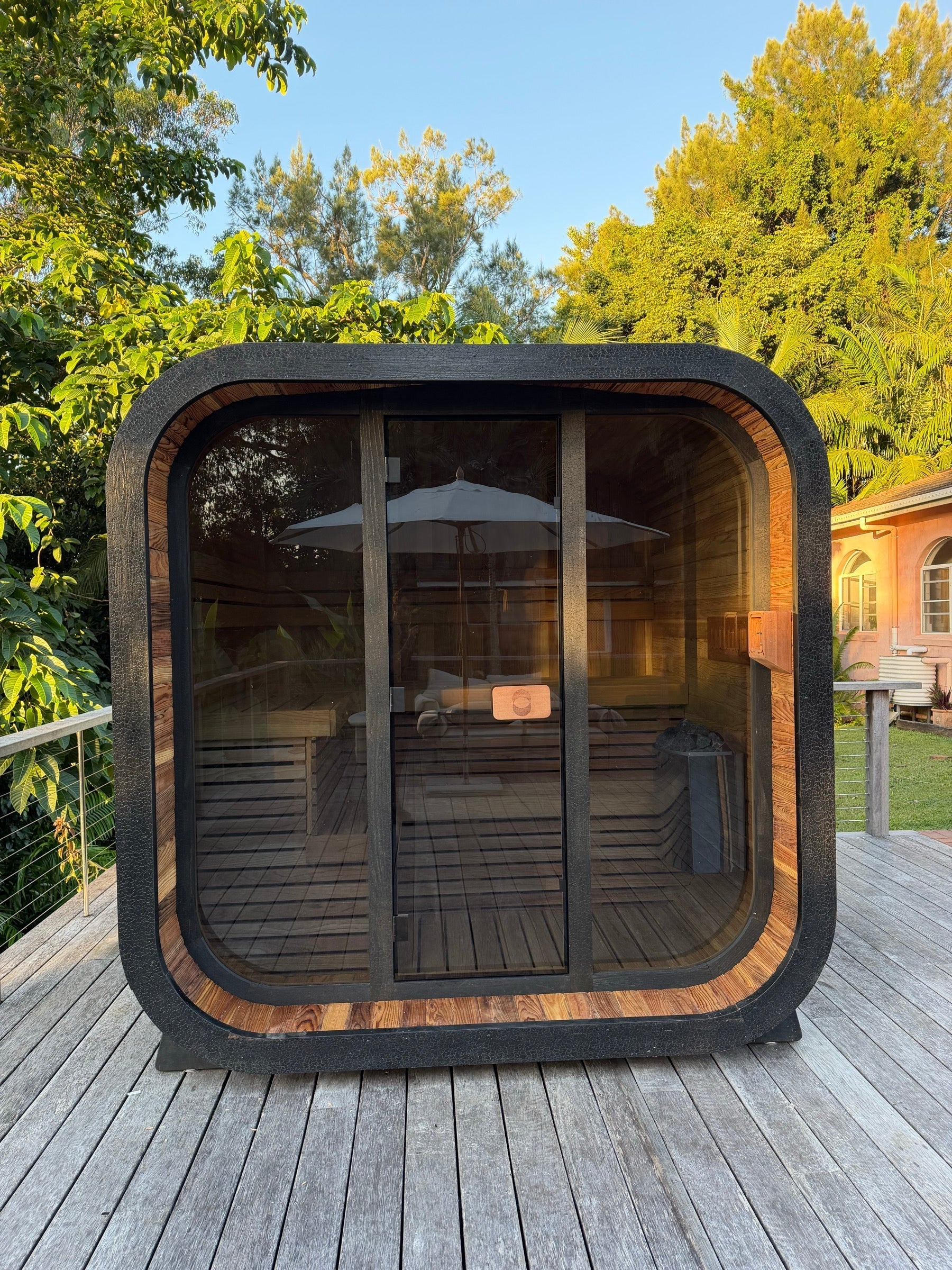
The Contrast Kit pairs the Genesis sauna with the Origin cold plunge — engineered as a system, not two products bolted together. Zero-glue Japanese Cedar. HUUM DROP 9kW heater. 120-day build. Australia-wide delivery.
SEE THE CONTRAST KIT →The Finnish Research Base: What Laukkanen's Work Actually Shows
The strongest human data on sauna and systemic health comes from Jari Laukkanen and his team at the University of Eastern Finland. Their two-decade cohort work on Finnish men is the most cited body of sauna research in existence, and it is worth understanding exactly what it measured and what it concluded.
A landmark 20-year cohort study of 2,315 Finnish men by Laukkanen et al., published in JAMA Internal Medicine (2015), found that sauna use 4–7 times per week reduced the risk of fatal cardiovascular disease by 50% compared to once-weekly bathing. Cardiovascular health and hormonal health are not separate systems. Blood flow to the testes, erectile function, and testosterone transport all depend on vascular integrity. The same mechanisms that reduce cardiovascular mortality — improved endothelial function, reduced arterial stiffness, lower resting blood pressure — create a circulatory environment in which hormonal delivery is more effective.
Laukkanen's group also published data showing regular sauna use reduces systemic inflammation markers including C-reactive protein and interleukin-6. Chronic low-grade inflammation is an independent suppressor of testosterone production — it signals the body to prioritise immune function over reproductive function. Reducing inflammation through heat exposure is one of the more underappreciated hormonal interventions available to men. The full scope of this research is covered in our guide to sauna and longevity in Australia.
Does Sauna Lower Testosterone? The Scrotal Temperature Question
This is the most common concern raised by men researching sauna for hormonal health, and it deserves a direct answer: elevated scrotal temperature does impair sperm production, but the effect is reversible, duration-dependent, and largely mitigated by proper cool-down protocol.
Spermatogenesis requires scrotal temperature approximately 2–4°C below core body temperature. Prolonged heat exposure — particularly extended sessions in very high heat without adequate cool-down — can temporarily reduce sperm motility and count. The keyword is “temporary.” Studies on Finnish sauna users show that sperm parameters return to baseline within weeks of normal use patterns. Men who use sauna correctly — defined sessions with active cooling — do not show chronic impairment.
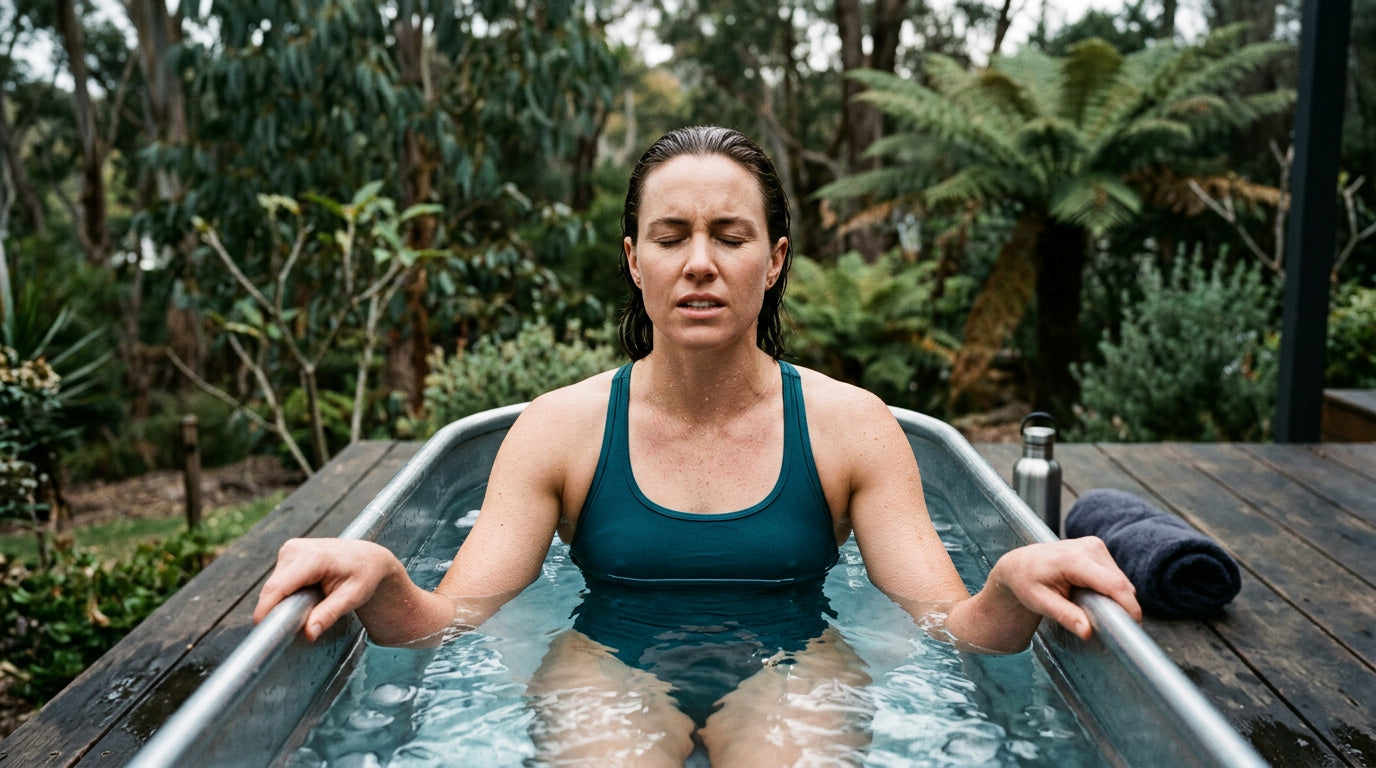
The cold plunge is not just a performance tool. It is the mechanism that resets scrotal temperature, restores circulation, and completes the hormonal rebound cycle. A sauna session without cold water follow-up is a half-protocol. That is not our editorial opinion — it is the physiology. Men concerned about fertility should follow the structured session protocol below and avoid sessions longer than 20 minutes at temperatures above 90°C without adequate cool-down.
For men without fertility concerns, the evidence on testosterone itself is reassuring. A review of available literature finds no chronic suppressive effect on testosterone from regular sauna use at standard Finnish session parameters (15–20 minutes, 80–100°C, followed by cooling). The cortisol-suppressing and GH-elevating effects net out positively for the androgenic environment. Read more in our evidence-based overview of sauna and cardiovascular health in Australia, which covers the vascular mechanisms that underpin hormonal transport.
The Cold Plunge Effect: Why the Other Half of the Protocol Matters
Cold water immersion after sauna is not a trend. It is a physiological lever with its own independent hormonal effects, and when paired with heat, those effects compound.
Research published in the European Journal of Physiology found that cold water immersion produces a sustained 250% increase in dopamine levels — a neurological effect that outlasts the cold exposure itself by several hours. Dopamine is not directly anabolic, but its role in motivation, focus, reward, and executive function makes it a foundational neurochemical for men who train hard and recover deliberately. A sustained dopamine elevation post-session is what drives the discipline to repeat the protocol daily.
From a hormonal standpoint, cold immersion produces a sharp noradrenaline spike — typically 2–3x baseline — that drives vasoconstriction and then vasodilatation on rewarming. This peripheral circulation flush accelerates metabolic waste clearance from muscle tissue and restores scrotal temperature rapidly. The combination of heat-driven GH elevation and cold-driven noradrenaline and dopamine release creates a neurochemical and hormonal state that most men have never experienced from any single modality alone.
A 2018 meta-analysis by Dupuy et al. in Frontiers in Physiology, covering 99 studies and over 1,000 athletes, found cold-water immersion and contrast water therapy to be among the most effective recovery modalities for reducing muscle soreness and perceived fatigue. For men using sauna for hormonal health, this recovery efficiency matters: less accumulated fatigue means the body is not diverting resources away from testosterone synthesis to manage cellular damage.
This is why the cold plunge is not optional in a serious contrast protocol. Explore the full evidence base in our guide to sauna and cold plunge benefits, and the step-by-step approach in our contrast therapy routine guide.
What Australian Men Are Actually Saying
Psycle installs Genesis saunas and Origin cold plunges across Australia — from inner-city Melbourne terraces to Byron Bay acreage to coastal Queensland decks. The feedback from men using the contrast protocol consistently returns to the same themes: sleep is deeper, recovery is faster, and the discipline of a daily morning protocol carries over into every other area of performance.
“I've run this protocol daily for 90 days. My recovery markers don't lie — HRV up, resting heart rate down, and I'm consistently hitting better output in the gym. The Genesis heats to temperature in under 45 minutes and holds it properly. That matters when you're doing this before 6am.”
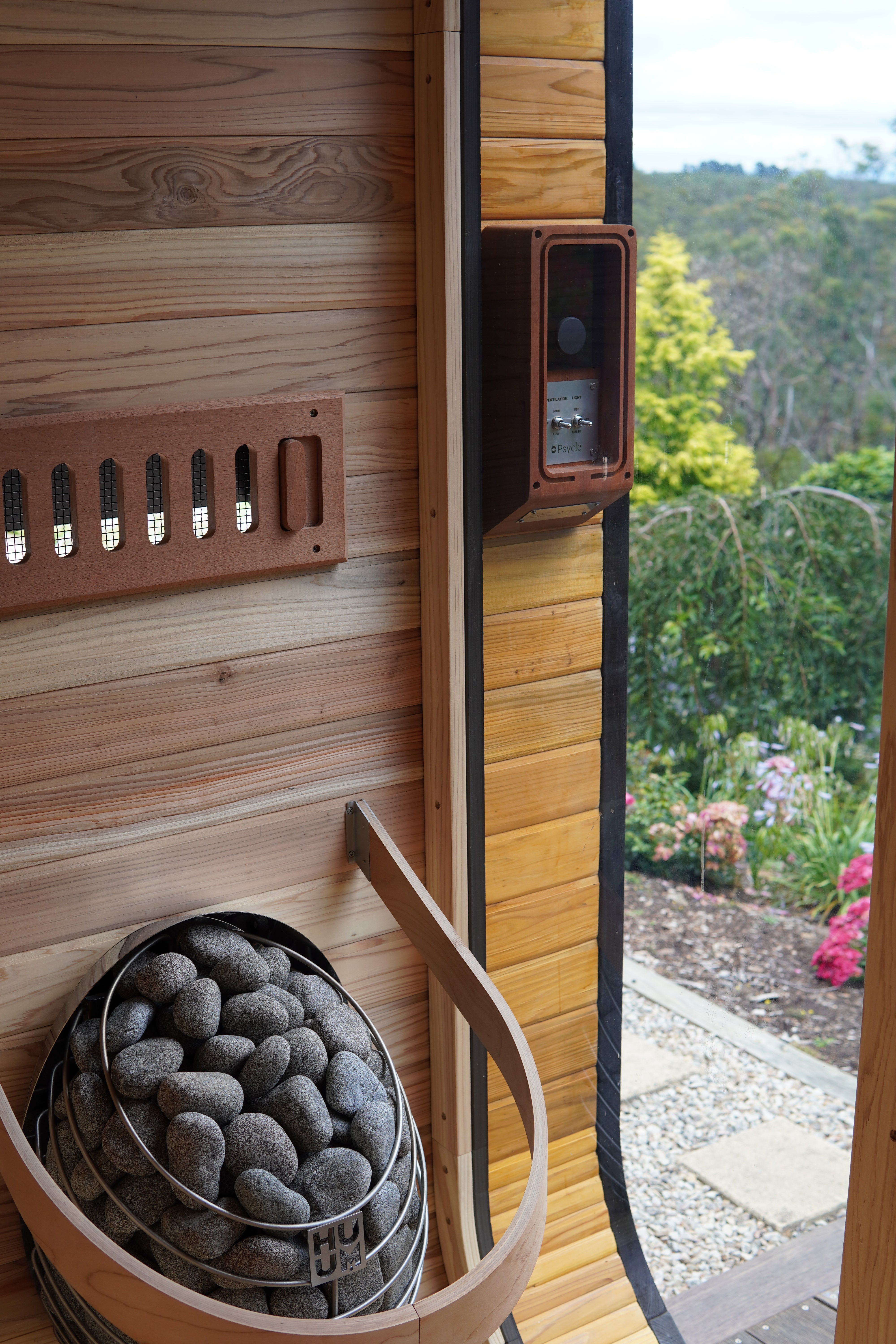
The men who report the strongest results share a common pattern: they treat the contrast session as non-negotiable infrastructure, not an occasional reward. The Genesis makes that possible because it is built to be used daily, year-round — zero-glue Japanese Cedar construction, HUUM DROP 9kW heater with 60kg of Olivine diabase stone that retains heat through multiple löyly pours, and IP67-rated amber lighting that does not suppress melatonin heading into sleep. The engineering decisions are not aesthetic choices. They are performance decisions.
For the outdoor setup many Australian men are building — sauna on the deck, cold plunge beside it, sliding glass door straight from the house — the Genesis in Charcoal finish with the optional Colorbond roof kit is the standard. See what that looks like in our outdoor sauna and cold plunge setup guide for Australia.

The Contrast Kit: Heat and Cold as a Single System
Genesis 3–5 person sauna + Origin cold plunge. Zero-toxin construction, 3-year cabin warranty, Australia-wide delivery. Designed for men who treat recovery as performance infrastructure.
EXPLORE THE CONTRAST KIT →The Real Cost of Running a Home Contrast Protocol in Australia
The Genesis runs a 9kW HUUM DROP heater. At Australian residential electricity rates of AU$0.30–0.35 per kWh, a 45-minute session costs approximately AU$0.50–$1.00. That is the running cost of a protocol that, used daily, replaces commercial sauna drop-ins at AU$30–$60 per visit, gym recovery suite access at AU$1,200–$2,400 per year, and weekly physio at AU$100–$160 per session.
The comparison is not purely financial. Commercial saunas have time limits, shared space, inconsistent maintenance, and no cold plunge integration. The protocol described in this article — three rounds at 80–90°C with 2-minute cold plunge intervals — requires a setup you control. You cannot execute it in a gym sauna with a 15-minute cap and a pool that is too warm.
Over a 10-year lifespan — and the Genesis is built to outlast that comfortably — the daily running cost is less per session than a single cup of coffee. The number that surprises most men when they do the arithmetic is not the Genesis depreciation cost. It is how much they were spending on alternatives that delivered a fraction of the physiological stimulus. See the full breakdown in our home sauna cost guide for Australia.
For Australian men with an outdoor deck — and the Byron Bay, Queensland, and NSW coastal climates make year-round outdoor sauna genuinely viable — the Genesis with the Colorbond roof kit is fully weatherproofed and designed for permanent outdoor installation. The IP67-rated lighting and non-VOC oil finish handle humidity and salt air without degradation. Our outdoor sauna guide for Australia covers placement, weather considerations, and electrical requirements in full.
Traditional Sauna vs Infrared Sauna for Hormonal Response
Traditional Finnish sauna at 80–100°C produces a categorically different physiological stimulus to infrared sauna at 50–70°C. For hormonal health specifically, the differences are material. Here is the direct comparison:
| Factor | Traditional Finnish Sauna | Infrared Sauna |
|---|---|---|
| Temperature range | 80–100°C | 50–70°C |
| Core temperature rise | 1.5–2.0°C above baseline | 0.5–1.0°C above baseline |
| Heat shock protein activation | Strong — sufficient to upregulate HSP70 and HSP90 | Moderate — lower thermal stimulus |
| Growth hormone response | 200–300% acute elevation documented | Limited peer-reviewed data at protocol doses |
| Cortisol suppression | Well-documented via Finnish cohort research | Some evidence but smaller effect size |
| Löyly (steam) compatibility | Yes — humidity modulation is central to protocol | No — water damages infrared elements |
| Research base quality | Extensive — Laukkanen cohort, 20+ years, 2,315 men | Emerging — smaller sample sizes, shorter duration |
| Material toxin risk | Zero with zero-glue, non-VOC construction (Genesis) | Variable — many units use glued MDF panels |
Psycle builds traditional Finnish saunas. The Genesis heats to 80–100°C using a HUUM DROP 9kW heater loaded with 60kg of Olivine diabase stone. That stone mass holds heat through multiple löyly pours without the temperature collapsing — which is exactly what a structured multi-round hormonal protocol requires. An infrared sauna cannot replicate this. For a deeper comparison of the two sauna categories, see our guide on traditional vs infrared sauna: real science.
The Optimal Sauna Protocol for Hormonal Health
Protocol specificity matters more than most men realise. Session duration, temperature, cool-down method, and rest intervals all influence the hormonal response. The following protocol is derived from the University of New Mexico GH research and Finnish sauna practice — it is what the evidence actually supports.
Preheat to 80–90°C
Allow the Genesis to reach full temperature before entering. The HUUM DROP heats an 80°C cabin in approximately 30–45 minutes from cold start. Do not enter a partially heated sauna — the heat stress gradient is the stimulus.
Round 1: 15–20 minutes in sauna
Sit or lie at upper bench height. Pour löyly at the 10-minute mark to spike humidity and increase perceived temperature. Exit before your form breaks — if you are genuinely struggling, you have stayed too long.
Cold plunge: 2 minutes in Origin
Full immersion to neck. Two minutes is the minimum for noradrenaline response and effective core temperature reset. This is where scrotal cooling occurs — it is a feature of the protocol, not a side effect to be avoided.
Rest: 5–10 minutes
Air dry. Allow heart rate to normalise. GH secretion is at its highest during this rest interval — do not rush through it. Sit outside if the temperature allows. This is not downtime. It is the protocol working.
Repeat rounds 2 and 3
Two to three total rounds is the research-supported protocol for maximum GH response. Each subsequent heat round produces a further HSP and GH stimulus. Three rounds at this structure is a complete hormonal session.
Final cool-down and rehydration
End with cold, not heat. Rehydrate with water and electrolytes. Avoid alcohol for at least two hours post-session — it blunts GH secretion and cortisol suppression. The protocol is built in the sauna. The result is earned in the hours after.
For hormonal adaptation, a minimum of three sessions per week is needed to see chronic hormonal changes. Four to five sessions per week is the frequency associated with the strongest outcomes in the Laukkanen cohort data. Our guide on how often you should use a sauna covers frequency for different health goals, and whether to sauna before or after your workout is worth reading before you set your schedule.
If you are newer to heat exposure, our guide on how long to stay in a sauna by goal and experience level gives you a progression framework before you hit the full protocol. The complete guide to sauna temperature in Australia covers how to dial in the heat correctly for your specific setup.
Sauna, Testosterone, and Mental Health: the Hormonal Loop
Low testosterone and low mood are not independent phenomena. They share underlying mechanisms — chronic cortisol elevation, systemic inflammation, disrupted sleep architecture — and they tend to compound each other. Men who address one often find the other shifts simultaneously.
Regular sauna use has documented effects on mood independent of testosterone: heat-driven endorphin release, reduced inflammatory cytokines, and improved sleep onset and depth via post-sauna thermoregulatory drop. Better sleep means more testosterone-producing slow-wave sleep. Less inflammation means less HPG axis suppression. The mood and hormonal effects of sauna are not two separate stories. They are the same story told from two angles. Read more in our sauna and mental health guide for Australia.
The daily contrast protocol — particularly the dopamine-elevating effect of cold immersion documented in the European Journal of Physiology — creates a neurochemical reward loop that is self-reinforcing. The session feels good. The recovery is measurable. The discipline of doing it daily compounds. That is the mechanism behind every performance metric that tracks upward in men who commit to this protocol consistently.
FAQ: Sauna Benefits Testosterone
Does sauna increase testosterone?
Sauna supports the hormonal environment for testosterone production by reducing cortisol, activating heat shock proteins, and producing acute growth hormone surges of 200–300%. It does not directly inject testosterone into the bloodstream. The chronic effect — from consistent use over 8–12 weeks — is a hormonal baseline more conducive to testosterone synthesis: lower cortisol, less systemic inflammation, better sleep, and improved androgen receptor sensitivity via HSP upregulation.
Does sauna lower testosterone?
No peer-reviewed evidence shows chronic testosterone suppression from regular sauna use at standard Finnish session parameters (15–20 minutes, 80–100°C). Elevated scrotal temperature during a session can temporarily affect spermatogenesis, but this is reversible and mitigated by cold plunge cool-down. The net hormonal effect of regular sauna use — particularly when paired with cold water cooling — is positive for the androgenic environment.
Is sauna good for male fertility?
Men actively trying to conceive should be aware that repeated heat exposure above 39°C can temporarily reduce sperm motility and count. This effect reverses within weeks once heat exposure is reduced. If fertility is the primary concern, limit sessions to 15 minutes, always follow with cold plunge, and allow 48 hours between sessions. Consult a reproductive specialist before establishing a sauna protocol if fertility is an active priority.
What is the best sauna routine for testosterone?
The research-supported protocol is two to three rounds of 15–20 minutes at 80–90°C, each followed by 2 minutes of cold plunge and 5–10 minutes of rest. This structure, performed three to five times per week, produces the most significant GH elevation (200–300%), cortisol suppression, and HSP upregulation documented in available literature. Consistency over weeks matters more than any single session.
How long does it take for sauna to affect testosterone?
Acute GH elevation occurs within a single session. Chronic hormonal adaptation — measurable changes to baseline cortisol, inflammatory markers, and androgen receptor sensitivity — requires a minimum of 8–12 weeks of consistent use at three or more sessions per week. Men who track HRV and sleep metrics typically report measurable improvement within four weeks, which precedes and enables the hormonal changes.
Is traditional sauna better than infrared for hormonal health?
Yes, based on current evidence. Traditional Finnish sauna at 80–100°C produces a stronger heat stress stimulus than infrared at 50–70°C, resulting in a higher core temperature rise, more pronounced heat shock protein activation, and the GH response documented in the University of New Mexico and University of Eastern Finland research. The Laukkanen cohort data — the most thorough long-term human sauna research available — was conducted exclusively on traditional Finnish sauna users.
Can sauna replace testosterone replacement therapy (TRT)?
No. Sauna is a lifestyle intervention that supports the hormonal environment. It is not a clinical testosterone replacement. Men with clinically diagnosed hypogonadism should work with an endocrinologist. Sauna can complement a TRT protocol by reducing systemic inflammation, improving sleep, and supporting the cardiovascular health that makes hormonal therapy more effective, but it does not substitute for medical treatment of low testosterone.
Ready to Build This Into Your Daily Protocol?
The Contrast Kit pairs the Genesis sauna (zero-glue Japanese Cedar, HUUM DROP 9kW, 60kg Olivine stone) with the Origin cold plunge. Free Australia-wide delivery. 3-year cabin warranty. 120-day build — order now for delivery this season.
SHOP THE CONTRAST KIT →For the complete picture of what traditional sauna delivers across hormonal, cardiovascular, neurological, and longevity outcomes, start with our evidence-based guide to sauna benefits in Australia. If you are building a setup and want to understand what the full installation process involves, our complete sauna buying guide for Australia covers everything from electrical requirements to timber selection and delivery.
The men who get the most from this protocol are not the ones who bought the best sauna. They are the ones who built the habit. The Genesis makes that habit easy to keep — it heats reliably, holds temperature, and survives daily use for decades. The rest is up to you.