
Traditional vs Infrared Sauna: Real Science | Psycle

Key Takeaways
- Traditional Finnish saunas operate at 80-100°C versus 50-60°C for infrared units - a temperature gap that determines whether key physiological responses are triggered
- Regular use of traditional saunas 4-7 times per week is linked to a 40% reduction in all-cause mortality risk, with no equivalent data existing for infrared saunas
- A 20-year Finnish study found men using traditional saunas 4-7 times per week had a 50% lower risk of fatal cardiovascular events compared to once-weekly users
- Two 20-minute traditional sauna sessions at 100°C separated by a 30-minute cool-down can increase growth hormone levels five-fold - infrared saunas produce a fraction of this response
- Regular traditional sauna use is associated with a 65% reduced risk of dementia and Alzheimer's disease in men who sauna 4-7 times per week
- Traditional saunas raise heart rate to 100-150 beats per minute - comparable to moderate-intensity exercise - a cardiovascular stimulus infrared saunas cannot replicate
- Infrared saunas heat up in around 10 minutes and run on a standard 15A circuit, making them more practical for smaller homes but less effective for performance and health outcomes
Most home saunas are built wrong. Infrared units promise wellness but deliver fraction-strength heat that doesn't reach the core benefits of real Finnish sauna therapy. Traditional saunas — the kind engineered to hit 80–100°C — create the physiological stress response that drives cardiovascular adaptation, detoxification, and recovery.
If you want the science-backed benefits, you need real heat. Here's what separates traditional Finnish saunas from infrared units — and why the difference matters.
Zero-Toxin Finnish Sauna Therapy — Built for Australians
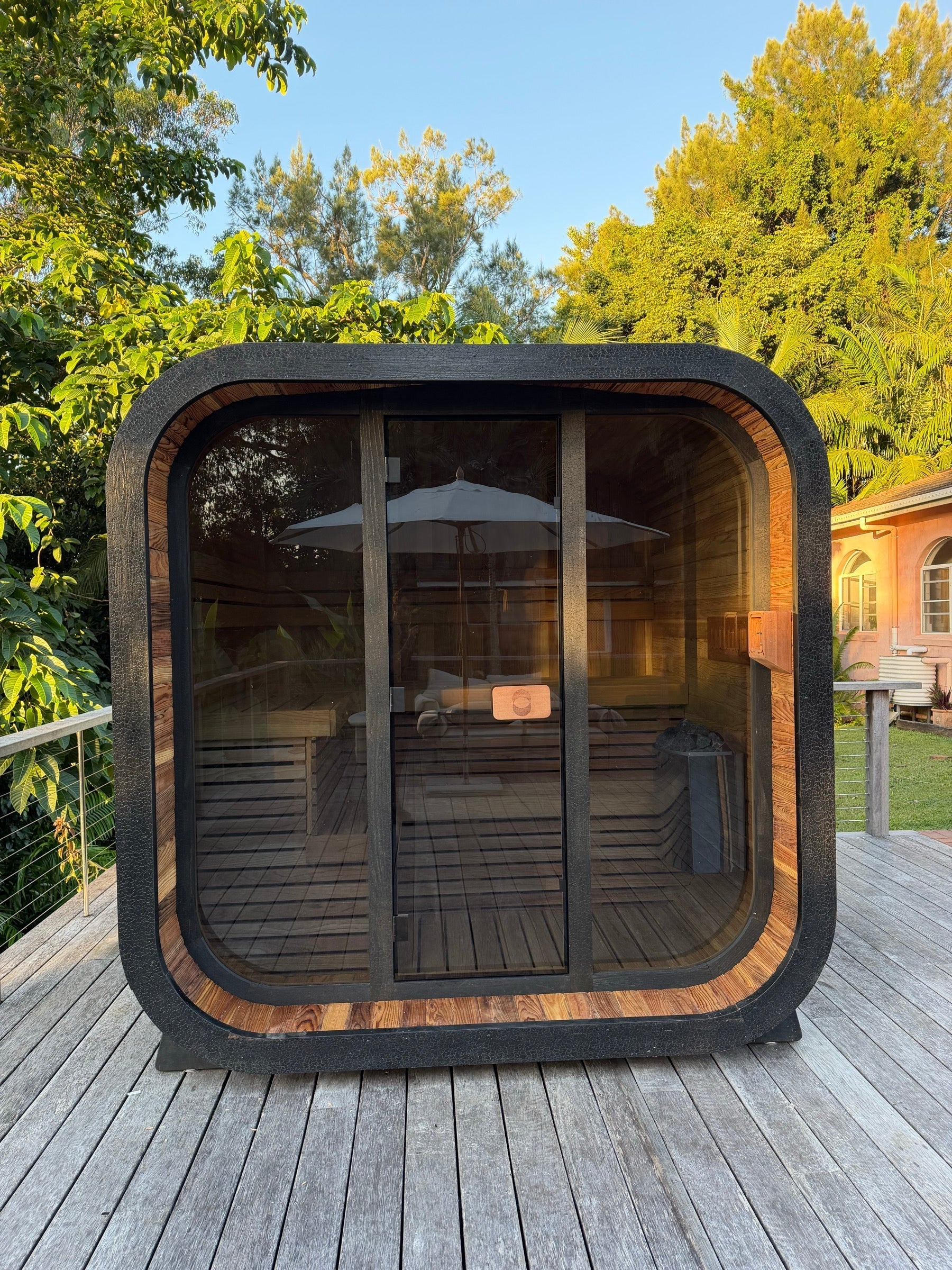
Japanese Cedar exterior. Zero-glue construction. HUUM Drop heater. Engineered to deliver 80–100°C Finnish heat — not infrared compromise.
SEE THE GENESIS →Why Traditional Saunas Outperform Infrared
Traditional Finnish saunas use convection heat — air heated by electric heaters or wood-fired stoves — to raise your core body temperature. The result is intense sweating, cardiovascular stress, and a heat shock protein response that infrared saunas simply cannot match.
Infrared saunas emit light waves that heat your skin directly. Operating temperature is 50–60°C — comfortable, yes. Effective for deep cardiovascular and detoxification benefits? No.
Heat Level Drives Results
The science is clear: the cardiovascular and longevity benefits of sauna use are dose-dependent. Studies on Finnish sauna bathing — where participants used saunas at 80–100°C for 15–20 minutes — show a 40% reduction in all-cause mortality risk for those using saunas 4–7 times per week.
Infrared saunas don't produce the same heat stimulus. They're gentler, quieter, more convenient — and less effective.
Detoxification Requires Sweat Volume
Your body eliminates heavy metals like lead, mercury, and arsenic through sweat. Traditional saunas at 80–100°C induce profuse sweating within minutes — the kind of sweat volume required for meaningful detoxification.
Infrared saunas produce sweat, but at a fraction of the rate. Lower heat means lower sweat output. Lower sweat output means less detox.
The Science Behind Traditional Sauna Benefits
Cardiovascular Adaptation
When you sit in a traditional sauna at 80–100°C, your heart rate rises to 100–150 beats per minute — similar to moderate-intensity exercise. This cardiovascular stress response improves circulation, increases nitric oxide production, and strengthens vascular function over time.
A 20-year Finnish study found that men who used traditional saunas 4–7 times per week had a 50% lower risk of fatal cardiovascular events compared to those who used saunas once a week. Infrared saunas have no equivalent long-term data.
Heat Shock Proteins and Muscle Recovery
Sauna-induced hyperthermia triggers the production of heat shock proteins (HSPs) — proteins that repair cellular damage and promote muscle regrowth after exercise. This response requires core body temperature to rise significantly.
Traditional saunas at 80–100°C deliver that stimulus. Infrared saunas at 50–60°C do not.
Growth Hormone Release
Two 20-minute sauna sessions at 80°C, separated by a 30-minute cooling period, double growth hormone levels. At 100°C, growth hormone levels increase five-fold.
Growth hormones drive cell regeneration, muscle growth, and metabolic function. Infrared saunas produce a fraction of this response due to lower operating temperatures.
The Sauna That Doesn't Compromise
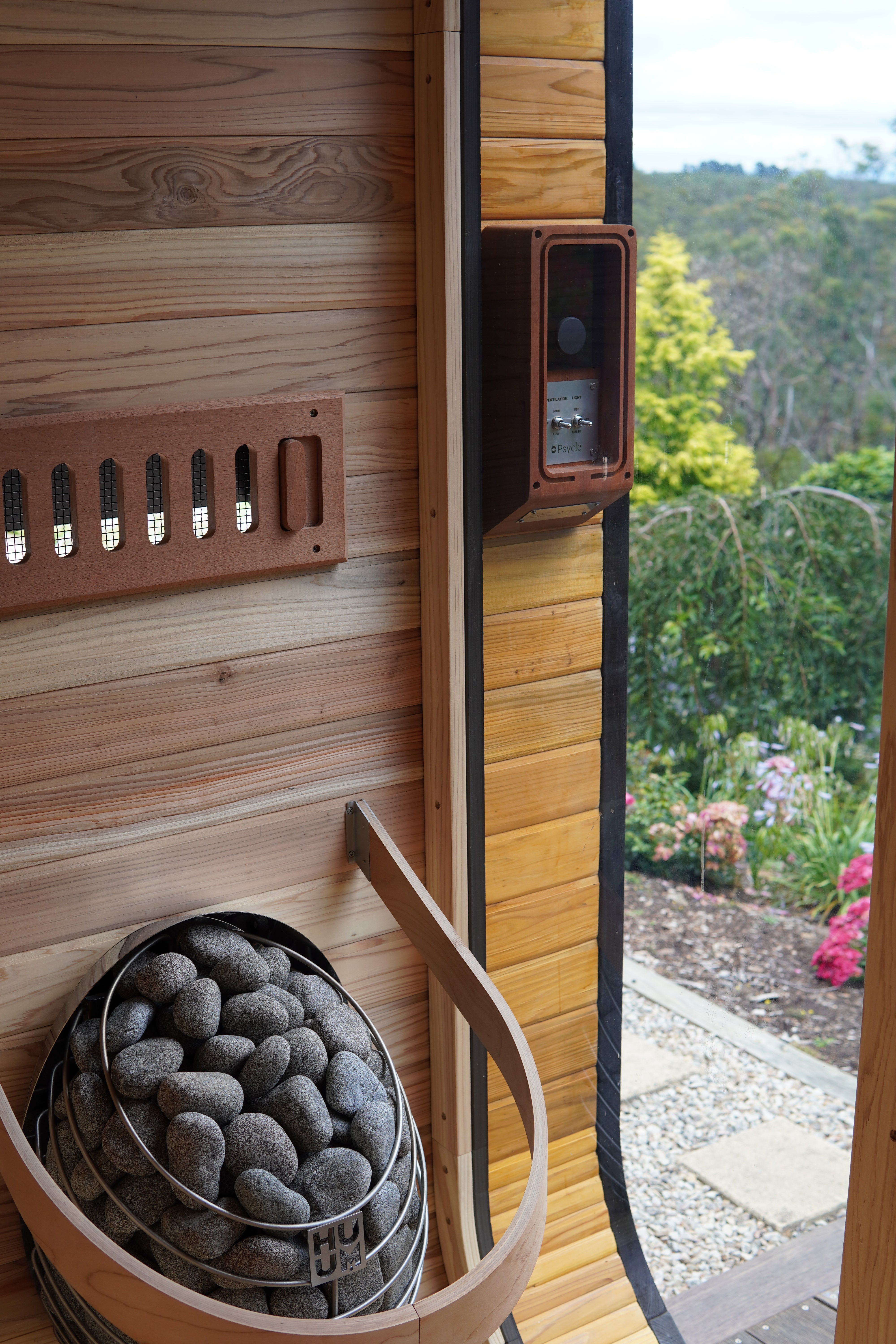
Active mechanical ventilation. Blue light blocking lighting. IPX4 rated. Every detail engineered to deliver real Finnish heat — safely, cleanly, repeatably.
EXPLORE THE GENESIS →Traditional Sauna Benefits — Backed by Decades of Research
Reduced All-Cause Mortality
Finnish sauna research — conducted over decades on traditional saunas — shows that regular use reduces all-cause mortality by 24% for 2–3 sessions per week, and 40% for 4–7 sessions per week.
Infrared saunas have no comparable longitudinal data.
Improved Insulin Sensitivity
Sauna-induced hyperthermia improves insulin resistance — critical for metabolic health, weight management, and diabetes prevention. Traditional saunas at 80–100°C create the thermal stress required to drive this adaptation.
Infrared units, operating at half the temperature, produce a fraction of the metabolic benefit.
Pain Reduction and Beta-Endorphin Release
Traditional sauna sessions stimulate beta-endorphin production — your body's natural pain-relief system. Studies show that sauna use reduces headache intensity, chronic pain, and muscle soreness.
Infrared saunas may offer mild pain relief, but without the heat intensity required to trigger a full endorphin response.
Enhanced Sleep Quality
A 15–20 minute traditional sauna session before bed raises core body temperature, then initiates a cooling phase that promotes deep, restorative sleep. The sharper the temperature spike, the deeper the subsequent sleep.
Infrared saunas may feel relaxing, but the lower heat stimulus produces a weaker post-sauna cooling effect — and less sleep benefit.
Neuroprotective Effects
Regular traditional sauna use is associated with a 65% reduced risk of dementia and Alzheimer's disease in men who sauna 4–7 times per week. The cardiovascular and anti-inflammatory effects of repeated heat stress appear to protect brain health over time.
Infrared sauna research has not demonstrated equivalent neuroprotective benefits.
What Infrared Saunas Get Right — And Where They Fall Short
Infrared Saunas Are More Convenient
Infrared units heat up in 10 minutes. They require less power — often running on a standard 15A circuit. They're quieter, smaller, and easier to install in apartments or smaller homes.
For users who want a gentle warmth and aren't chasing performance outcomes, infrared saunas are fine.
Infrared Saunas Offer Mild Relaxation
At 50–60°C, infrared saunas feel comfortable. They don't induce the intense cardiovascular response of traditional saunas. For users seeking a low-intensity relaxation tool, infrared fits the bill.
But if you want the cardiovascular, detoxification, and longevity benefits proven in Finnish sauna research, you need real heat.
Infrared Claims Are Often Overstated
Infrared marketing frequently cites "deep tissue penetration" and "cellular detox" as advantages. The reality is less impressive. Infrared light penetrates skin, but the core body temperature rise is modest — and it's core temperature rise that drives the physiological adaptations.
Traditional saunas create a greater core temperature increase. That's why the research overwhelmingly favours traditional Finnish-style sauna bathing for health outcomes.
How to Use a Traditional Sauna Safely and Effectively
Session Duration and Frequency
Beginners should start with 5–10 minute sessions at 70–80°C, gradually building tolerance. Experienced users typically sauna for 15–20 minutes at 80–100°C, 2–7 times per week. Between sessions, cold water immersion benefits recovery by rapidly lowering core temperature and amplifying the contrast response.
Hydration and Recovery Protocol
Drink 500ml of water in the 30 minutes before a session. Replace 750ml-1L afterwards. A traditional sauna at 80-100°C produces 0.5-1L of sweat per session - dehydration blunts the cardiovascular adaptation you are training for. Electrolytes (a pinch of sea salt, a squeeze of lemon) accelerate rehydration without the sugar load.
Pair Heat with Cold for Compounding Benefits
A 90-second cold plunge after each sauna session amplifies the cardiovascular pumping effect, sharpens the parasympathetic rebound, and drives a stronger norepinephrine release than either modality alone. This is contrast therapy, and it is the protocol the research is built on. The Genesis sauna and Origin cold plunge are engineered to sit alongside each other for exactly this reason.
When Not to Sauna
Avoid sauna use when acutely ill with fever, after alcohol consumption, or during the first trimester of pregnancy without medical clearance. People with uncontrolled hypertension, recent cardiac events, or unstable angina should consult a GP before starting. The traditional Finnish sauna is a powerful cardiovascular stimulus - that is the point, and it is also the reason it deserves respect.
The Verdict: Traditional Sauna Wins on Outcomes That Matter
Infrared saunas are convenient, gentle, and easier to install. They are also the wrong tool if your goal is the cardiovascular, longevity, and recovery benefits documented in the Finnish sauna research. Real heat - 80-100°C in a Japanese Cedar interior, generated by a 9kW heater throwing steam off volcanic Olivine stones - is the only modality that delivers the full physiological cascade.
The Psycle Genesis is built for that protocol. Japanese Cedar walls, 38mm zero-toxin construction, HUUM DROP 9kW heater with 60kg Olivine diabase stones, IP67 amber LED lighting, panoramic glass, designed for daily Australian outdoor use. For a complete picture of how to set one up, see our home sauna Australia guide and our best home sauna in Australia buyer's guide.
Real Heat, Real Results - The Genesis Sauna
80-100°C operating temperature. Japanese Cedar interior. HUUM DROP heater with Olivine stones. Outdoor-rated for Australian conditions. Delivered Australia-wide.
EXPLORE THE GENESIS →Frequently Asked Questions
Which is better for weight loss, traditional or infrared sauna?
Traditional saunas drive greater calorie expenditure during and after a session because the higher core temperature elevation triggers a larger metabolic response. Neither sauna is a primary fat-loss tool - the value is in the cardiovascular and hormonal adaptations that support training, not direct calorie burn.
Can I install a traditional sauna in an Australian apartment?
Traditional saunas require a 50A dedicated circuit and adequate ventilation, which limits apartment installation in most cases. Outdoor installation on a balcony or rooftop deck is more common where strata rules allow. The Genesis is designed for outdoor Australian deck installation and integrates with standard 50A residential supply.
How quickly will I notice benefits from traditional sauna use?
Within 2-4 weeks of consistent use (3-5 sessions per week, 15-20 minutes per session), most users report better sleep, faster post-training recovery, and a clearer baseline mood. The cardiovascular adaptations documented in the long-term research compound over months and years of regular use.