
Sauna Health Risks Australia: The Complete Safety Guide
Sauna Health Risks Australia: The Complete Safety Guide

Sauna health risks in Australia are real but manageable. For the vast majority of healthy adults, regular Finnish-style sauna use is not only safe — it is one of the most evidence-backed recovery and longevity tools available. The risks exist at the edges: specific medical conditions, certain medications, poor-quality heat sources, and user error. Understanding exactly where those edges are is the difference between a transformative daily ritual and a preventable incident.
A landmark Finnish cohort study by Laukkanen et al. (2018), published in Mayo Clinic Proceedings, found that men who used a sauna four to seven times per week had a 50% lower risk of cardiovascular mortality compared to once-weekly users — evidence that positions sauna as a cardiovascular asset, not a liability, when used correctly. The safety question is not whether sauna is dangerous. It is whether you are using the right sauna, at the right temperature, with the right information. This guide answers that directly.
Explore the full evidence base in our Sauna Benefits Australia guideThe Real Sauna Dangers Most Australians Don't Think About
Most sauna safety conversations fixate on the obvious: heart conditions, blood pressure, pregnancy. Those are legitimate considerations. But the safety risks that affect the largest number of Australians every day are more mundane — and more preventable.
Dehydration is the most common sauna-related adverse event. A standard 20-minute session at 80–100°C can produce 0.5–1 litre of sweat. Enter dehydrated after a hard training session, a long day in the Australian heat, or after alcohol, and you are not sweating out toxins — you are compounding a deficit that degrades cardiovascular function and increases core temperature risk.
Heat stroke is rare but real. It occurs when core body temperature exceeds 40°C and the body's cooling mechanisms fail. It is almost always the result of staying in too long, ignoring early warning signs (dizziness, nausea, confusion), or using a sauna in an already-compromised state. The solution is protocol, not avoidance. Our guide to how long to stay in a sauna covers exactly how to structure sessions to avoid this entirely.
Then there is the risk nobody talks about: the sauna itself. Cheap home saunas built with MDF panels, glued timber, and synthetic coatings off-gas formaldehyde and volatile organic compounds when heated to 90°C. You are breathing that air for 20 minutes per session, multiple times per week. That is not a minor inconvenience — it is a direct chemical exposure event. The material the sauna is built from is not an aesthetic choice. It is a safety decision.
Who Should Not Use a Sauna: Clear Contraindications
There are specific populations for whom sauna use is contraindicated or requires explicit medical clearance. This is not alarmism — it is the same due diligence you would apply to any high-intensity physiological stressor.
Absolute Contraindications
These are situations where sauna use should not occur without direct guidance from a treating physician:
- Unstable angina or recent myocardial infarction (within 3–6 months) — The cardiovascular demand of heat exposure is equivalent to moderate exercise. An already-compromised cardiac system cannot safely manage the increased output.
- Uncontrolled hypertension — While controlled high blood pressure is not a barrier to sauna use, blood pressure that is not medically managed presents a genuine risk during the acute cardiovascular response to heat.
- Severe aortic stenosis — The fixed output limitation of this condition means the cardiovascular system cannot respond adequately to the demands of sauna heat.
- Active fever or acute infection — Core temperature is already elevated. Adding external heat load compounds the risk.
- Pregnancy — particularly the first trimester — Elevated core temperature above 38.9°C in early pregnancy is associated with neural tube defect risk. Most obstetric guidelines recommend avoiding sauna use in the first trimester and using only short, lower-temperature sessions in the second and third trimesters under medical supervision.
- Active skin infections, open wounds, or severe eczema flares — Heat increases circulation to the skin surface and can exacerbate inflammatory skin conditions or introduce infection risk.
Medications That Require Caution
Certain medications alter the body's thermoregulatory capacity and can make sauna use genuinely risky. These include:
- Diuretics — Increase fluid loss and accelerate dehydration risk in a sauna environment.
- Beta-blockers and calcium channel blockers — Blunt the cardiac response to heat, which can mask warning signs of cardiovascular strain.
- Antihypertensives — Can cause pronounced hypotensive episodes when combined with the vasodilation triggered by sauna heat.
- Sedatives, antipsychotics, and certain antidepressants — Impair heat perception and reduce the body's ability to signal distress before it becomes critical.
- Alcohol — Not a medication, but deserves explicit mention. Alcohol combined with sauna heat is one of the most common causes of sauna-related fatalities globally. It suppresses the sensation of discomfort, accelerates dehydration, and impairs cardiovascular response. Never sauna after drinking.
If you are on any regular medication, a brief conversation with your GP before establishing a sauna protocol costs nothing and eliminates ambiguity.
Is Sauna Safe for Heart Conditions? What the Research Actually Shows
This is the most Googled fear — and the research is more reassuring than most people expect. Professor Jari Laukkanen, a cardiologist at the University of Eastern Finland and the world's leading researcher on sauna health outcomes, has published extensively on the cardiovascular safety profile of traditional Finnish sauna use.
His 2018 study in Mayo Clinic Proceedings, following 2,315 Finnish men over 20 years, found inverse associations between sauna frequency and fatal cardiovascular disease, sudden cardiac death, and all-cause mortality. The physiological mechanism is well-established: repeated heat exposure produces training adaptations in vascular function — including improved arterial compliance, reduced resting heart rate, and lower systemic blood pressure — comparable in some measures to moderate aerobic exercise.
For people with controlled and stable cardiovascular conditions, sauna use under medical supervision is not only permissible in many cases — it may be actively beneficial. The key distinctions are 'controlled' and 'stable.' Uncontrolled conditions, acute events, and unstable presentations are a different matter entirely.
Read the full evidence profile in our science-backed guide to traditional sauna benefits in Australia.
Zero-Toxin Sauna Therapy, Built for Australians
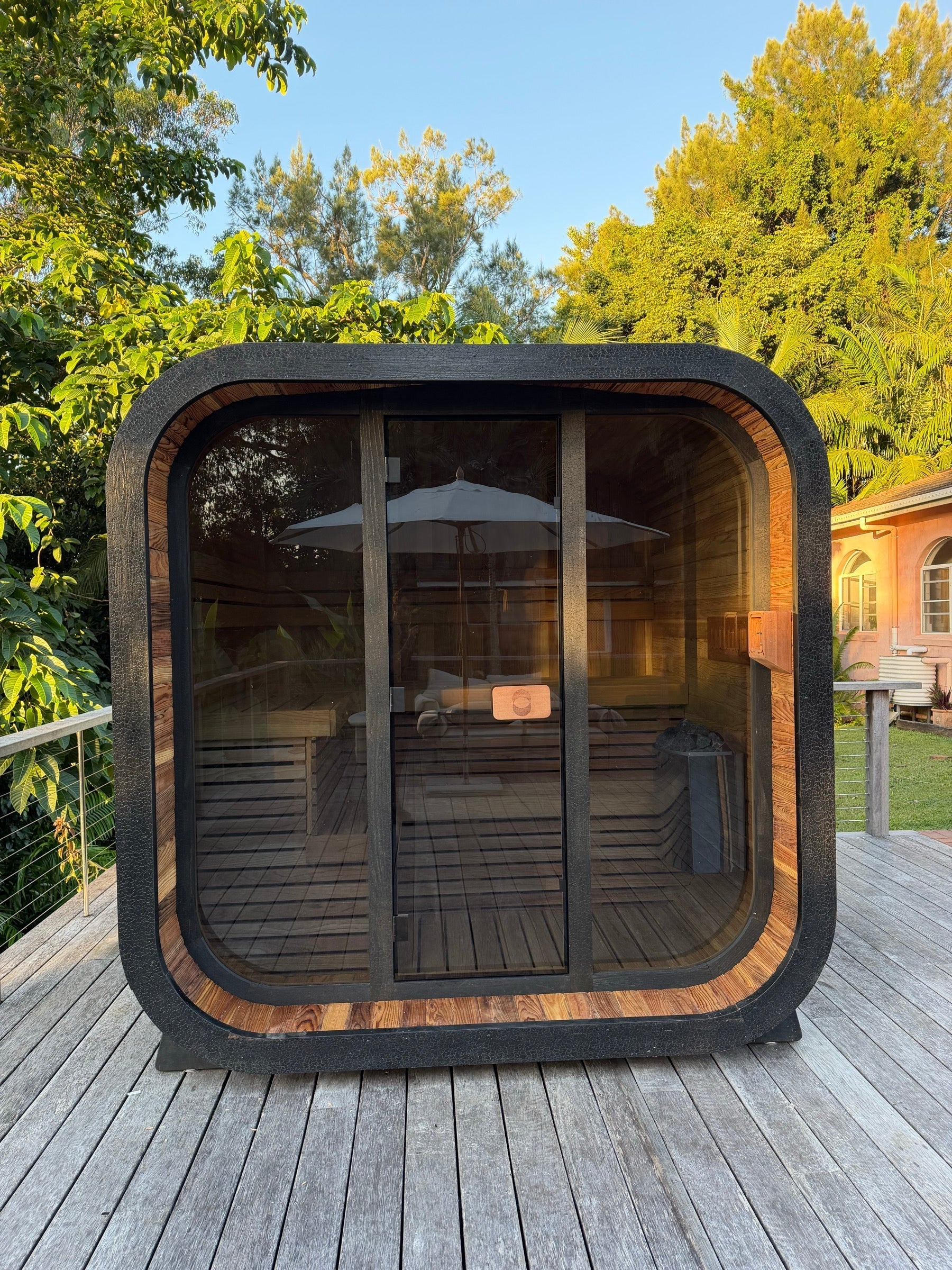
Japanese Cedar exterior. Zero-glue construction. HUUM Drop heater. Engineered to the same standard as the saunas used in the Laukkanen cohort studies — not a flat-pack approximation of one.
SEE THE GENESIS →Who Is It Safe For With Precautions: A Practical Framework
Most healthy Australian adults aged 18–65 can use a traditional Finnish sauna safely by following a straightforward protocol. The framework is simple.
Athletes and High-Frequency Trainers
Sauna use post-exercise is both safe and productive — but timing and hydration are non-negotiable. A 2021 systematic review in Sports Medicine confirmed that post-exercise sauna bathing accelerates recovery markers including reduced delayed-onset muscle soreness and improved parasympathetic reactivation. The precaution: rehydrate with 500ml–1L of water before entering after a hard session, and limit initial sessions to 10–15 minutes while acclimatising. Our guide to how often you should use a sauna maps frequency recommendations by training load.
Older Adults (55+)
The Finnish population data suggests older adults are not only capable of regular sauna use — they show some of the strongest protective associations. Thermoregulatory capacity does decline with age, which means conservative session lengths (12–15 minutes initially) and lower bench positions (where temperature is 5–10°C cooler) are appropriate starting points. Any history of cardiovascular events warrants medical clearance first.
People With Controlled High Blood Pressure
Controlled hypertension is not a contraindication. Sauna heat triggers acute vasodilation — blood pressure typically drops during the session and for several hours afterward. For some users, this is a net positive. The risk is post-session: standing up quickly after prolonged heat exposure can cause orthostatic hypotension and dizziness. Exit slowly, sit at the lower bench level for two minutes before standing.
Sauna While Fasting
Combining intermittent fasting with sauna use is increasingly common among high-performance Australians. The interaction is manageable with the right sequencing. Read the full breakdown in our dedicated guide to sauna while fasting — benefits, risks and safety protocol.
Children and Teenagers
Children have a higher surface-area-to-body-mass ratio than adults, which means they heat up faster and are more vulnerable to dehydration. In traditional Finnish culture, children participate in family sauna from a young age — but at lower temperatures, shorter durations (5–10 minutes), and under direct adult supervision. The lower bench in a correctly engineered sauna runs 5–10°C cooler than the upper bench, making it the appropriate starting position for younger users.
Why Sauna Material Matters for Safety
This is the conversation the category avoids. The safety of a sauna session is not just about your physiology — it is about what your sauna is made of.
Most home saunas sold in Australia at the $3,000–$8,000 price point are constructed with glued timber, MDF structural panels, and synthetic coating finishes. Heat those materials to 85–95°C and you are breathing the off-gassing byproducts of those adhesives and finishes for every minute of every session. Formaldehyde is classified as a Group 1 carcinogen by the International Agency for Research on Cancer. Low-level repeated exposure — the kind that occurs in a poorly built sauna used three times a week — is not a trivial health consideration.
| Safety Factor | Cheap Flat-Pack Sauna | Genesis (Zero-Toxin Build) |
|---|---|---|
| Timber construction | Glued MDF, particle board, or resin-bonded panels | Japanese Cedar, zero-glue mechanical joints, 38mm walls |
| Off-gassing risk | Formaldehyde, VOCs released at operating temperature | Non-VOC oil finish throughout — zero chemical emissions |
| Temperature precision | Unregulated resistance elements, inconsistent heat floor | HUUM Drop 9kW with WiFi UKU app — precision temperature control |
| Ventilation | Passive or absent — stale hot air accumulates | Active mechanical ventilation: 88–120 m³/hr — continuously cycled fresh air |
| Lighting | Standard LED or halogen — blue light exposure at night | Amber 585–590nm / Red 630–635nm — zero blue light, IP67 rated |
| Stone mass | Low stone volume — temperature spikes, unstable heat | 60kg Olivine diabase — consistent thermal mass, stable heat throughout session |
The Genesis was engineered with zero-glue construction and a non-VOC oil finish precisely because the founders refused to build something that compromised the health outcome it was supposed to deliver. That is not a marketing position — it is an engineering decision with a direct safety rationale.
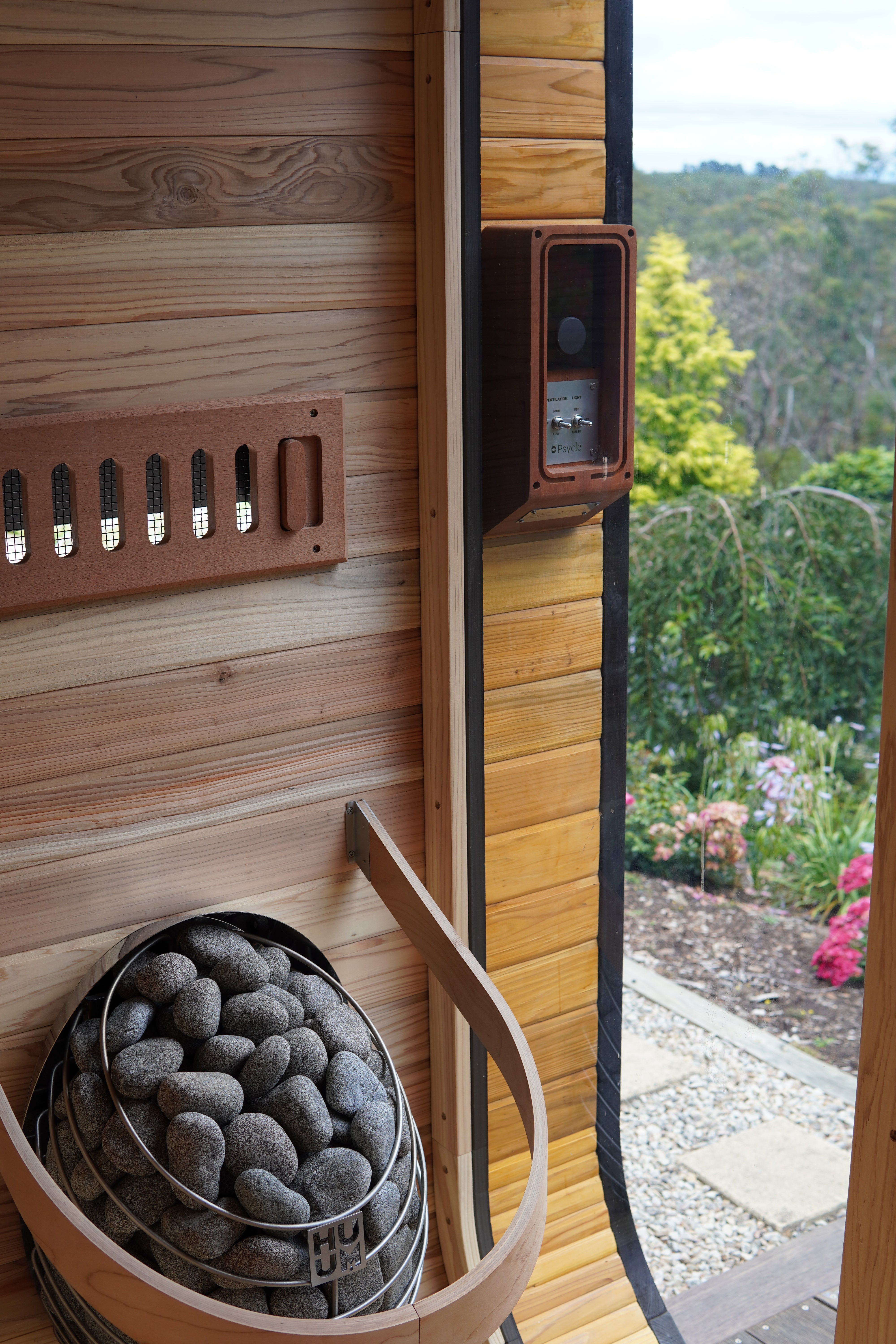
Ventilation matters too. Active mechanical ventilation at 88–120 m³/hr continuously cycles fresh air through the cabin, preventing the CO₂ and humidity accumulation that turns a passive sauna environment into one that accelerates fatigue and disorients users who stay too long. Our dedicated guide to sauna ventilation explains exactly why this specification is the one most buyers underestimate.
Precise temperature control is equally non-negotiable. The HUUM Drop 9kW heater with WiFi UKU app allows you to preheat, set a ceiling temperature, and monitor your session remotely. You are not guessing whether the cabin has reached operating temperature or overshot it — you know. That precision is the difference between a protocol and a gamble. Pair that with knowing how hot your sauna should actually be for your goal and experience level, and the risk profile of overheating drops to near zero.
What Australian Owners Say About Safety and Confidence
The people who buy a Genesis have usually spent months researching. They have read the Laukkanen studies, compared heater specs, and asked harder questions than most sauna brands are prepared to answer. What they consistently report after installation is not surprise at the heat — it is relief at what is not there.
“I was worried about the off-gassing from cheaper units. The moment I sat in the Genesis for the first time I noticed the air was clean. No chemical smell, no headache afterward. My wife, who has sensitivities to synthetic materials, has had zero issues.” — Genesis owner, Sydney NSW
“I've run a daily contrast protocol for 90 days — 20 minutes in the sauna, cold plunge, repeat. My recovery markers don't lie. HRV is up, resting heart rate is down. The HUUM app means I know the cabin temperature exactly before I walk in — I'm never guessing.” — Genesis + Origin owner, Brisbane QLD
“I have controlled hypertension and talked to my cardiologist before buying. He was comfortable with regular use given my controlled status. Having a home unit means I control every variable — temperature, duration, who uses it, when. That control matters.” — Genesis owner, Melbourne VIC
Over 200 Genesis and Genesis Mini saunas are now installed in homes across Australia. The $1,000 refundable deposit and 120-day build timeline means buyers have space to research thoroughly — and the 3-year cabin warranty and 3-year heater warranty mean confidence does not expire after delivery.
The Sauna That Doesn't Compromise on What You Breathe
Zero-glue Japanese Cedar. Active 120 m³/hr ventilation. HUUM precision heat control. Every specification chosen with the air quality and safety of your sessions in mind.
EXPLORE THE GENESIS →The Sauna Safety Protocol: How to Use It Correctly
Most sauna-related adverse events are protocol failures, not physiological failures. The following framework applies to healthy adults using a traditional Finnish sauna at 80–100°C.
Hydrate before entry
Drink 500ml–1L of water in the 30 minutes before your session. Avoid alcohol entirely before and during sauna use.
Confirm cabin temperature before entering
Target 80–100°C for a standard session. If you are new to sauna, start at 70–80°C and build over several sessions. The HUUM UKU app confirms your temperature before you step in.
Limit initial sessions to 10–15 minutes
Experienced users may comfortably extend to 20–25 minutes. Exit immediately if you experience dizziness, nausea, chest tightness, or confusion — these are not signs to push through.
Cool down deliberately
Sit at the lower bench for two minutes before exiting. Stand slowly. A cold shower, cold plunge, or seated rest in open air follows — not a sprint to the fridge.
Rehydrate after
Replace fluid losses with 500ml–1L of water or electrolyte drink post-session. Do not rely on thirst alone as your hydration signal — it lags behind actual deficit.
Never sauna alone if you are new or have health considerations
Until you understand your body's response to heat, use your sauna with another person present. A home unit gives you complete control over that environment in a way a commercial facility never can.
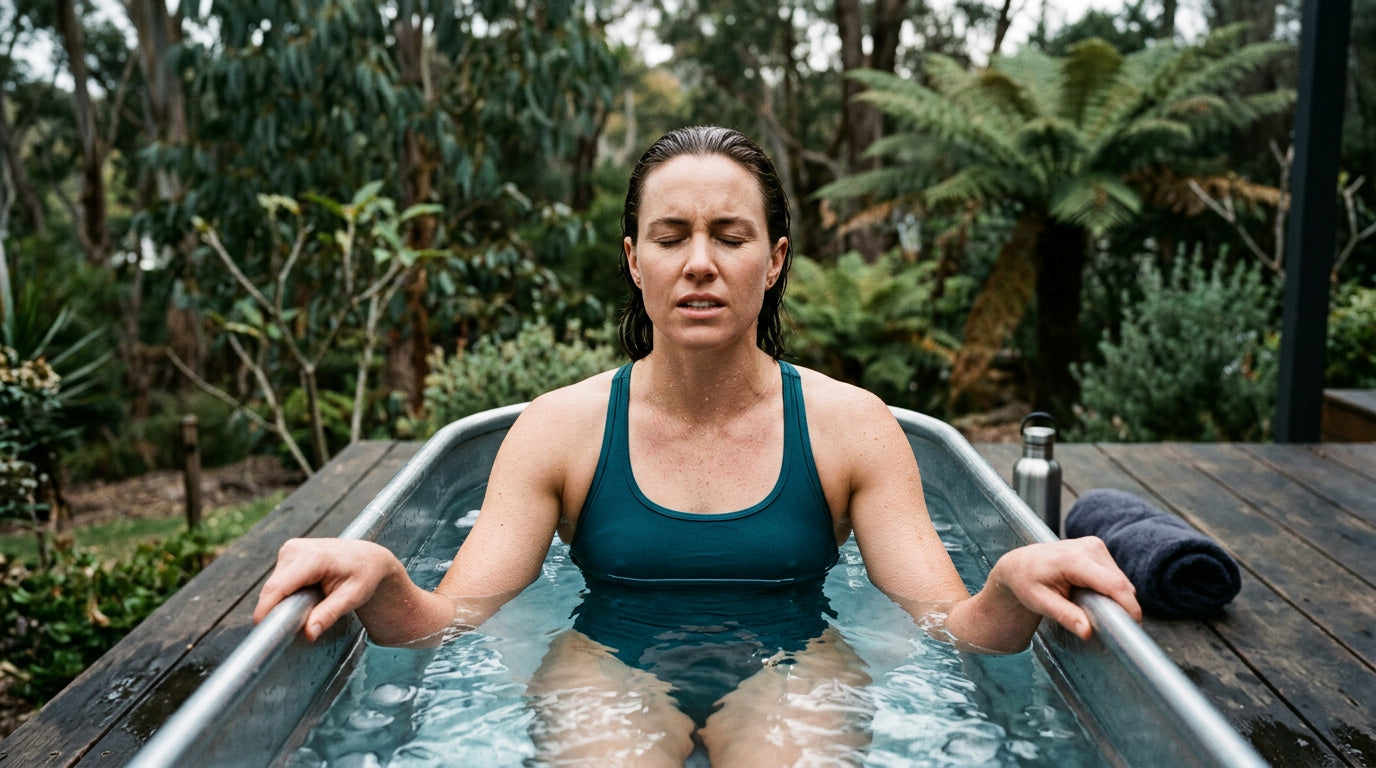
If you are combining sauna with cold exposure in a contrast protocol, our complete guide to contrast therapy in Australia covers sequencing, timing, and the safety considerations specific to the heat-cold transition.
Sauna Health Risks Australia: Frequently Asked Questions
Is sauna safe if you have high blood pressure in Australia?
Controlled high blood pressure is not a contraindication for traditional sauna use. Sauna heat produces vasodilation, which typically lowers blood pressure during and after a session. The main risk is orthostatic hypotension — dizziness upon standing quickly after a session. Exit the sauna slowly, transition via the lower bench, and avoid abrupt posture changes. Uncontrolled or unstable hypertension requires medical clearance before beginning any sauna protocol.
Can you have a heart attack in a sauna?
The cardiovascular demand of sauna use is comparable to moderate exercise. For healthy individuals and those with stable cardiovascular conditions, the risk is not elevated — and the long-term evidence from Laukkanen et al. (2018) points strongly in the opposite direction, showing significant reductions in cardiovascular mortality among regular sauna users. The risk is concentrated among people with unstable cardiac conditions, those who have had a recent cardiac event, and those who combine sauna use with alcohol. For those populations, medical clearance is mandatory before use.
Is it safe to use a sauna every day?
Daily sauna use is well-tolerated by healthy adults and is the cultural norm in Finland, where the health research originates. The Laukkanen cohort data shows that the greatest protective associations appear at four to seven sessions per week. The key variables are session duration (15–20 minutes is the evidence-based sweet spot), adequate hydration, and appropriate recovery between high-intensity training and sauna sessions. Our guide to sauna frequency gives a full breakdown by goal and training load.
What are the dangers of cheap home saunas in Australia?
The primary dangers of low-cost home saunas are off-gassing from glued timber, MDF panels, and synthetic coating finishes — which release formaldehyde and volatile organic compounds at operating temperature. Secondary risks include imprecise heating elements that produce inconsistent temperature floors, inadequate ventilation that allows CO₂ and humidity to accumulate, and substandard electrical components that represent a genuine fire risk over time. These are material and engineering failures, not inherent risks of sauna therapy itself.
Can pregnant women use a sauna in Australia?
Most obstetric guidelines advise avoiding sauna use during the first trimester due to the risk of elevated core temperature and its association with neural tube defects. In the second and third trimesters, brief lower-temperature sessions under direct medical supervision may be appropriate for some women — but this is a decision that requires explicit guidance from an obstetrician or midwife, not a general safety clearance. When in doubt, avoid use until after delivery and the postpartum recovery period.
How do I avoid dehydration in a sauna?
Drink 500ml–1L of water in the 30 minutes before your session, avoid alcohol in the hours prior, and replace 500ml–1L after the session. Do not rely on thirst as your primary hydration signal — it is a lagging indicator. If you are training heavily in the Australian summer heat and then using your sauna, your cumulative fluid deficit going into the session can be significant. Electrolyte supplementation post-session is appropriate for high-frequency users.
Built for Australians Who Take This Seriously
Free Australia-wide delivery. 3-year cabin warranty. $1,000 refundable deposit. 120-day build — order now and your Genesis is ready before the next season. Zero compromise on what you breathe.
SHOP THE GENESIS →