
Sauna While Fasting: Benefits, Risks & Safety Guide
Can You Sauna While Fasting? Benefits, Risks and How to Do It Safely
Key Takeaways
- A minimum 16-hour fast is required before fat oxidation becomes the dominant fuel source - the threshold needed to maximise sauna-combined benefits
- Sauna sessions during fasting should not exceed 15-20 minutes, dropping to under 10 minutes during a water fast of 24 hours or more
- A 2014 Cell Metabolism paper by Longo and Mattson confirmed fasting triggers autophagy and improves insulin sensitivity - effects that compound when stacked with heat therapy
- Growth hormone release from sauna exposure at 80-100 degrees Celsius can be amplified up to 2x when combined with fasting-induced growth hormone elevation
- Infrared saunas operating at 50-60 degrees Celsius do not produce the same physiological response as traditional Finnish saunas at 80-100 degrees Celsius, making temperature a critical variable
- Intermittent fasting (16/8) is the lowest-risk protocol to pair with sauna use - extended multi-day fasting combined with sauna is not recommended without direct medical supervision
Yes, you can sauna while fasting — and for many high performers, the combination amplifies the benefits of both practices. Heat exposure accelerates fat oxidation when glycogen stores are depleted, and fasting sharpens the mental clarity that a good sauna session reinforces. But the risk profile rises sharply too. Dehydration, electrolyte imbalance, and orthostatic hypotension are real — not theoretical. Done right, it is a precision tool. Done carelessly, it puts you on the floor.
A 2014 paper by Longo and Mattson in Cell Metabolism confirmed that fasting triggers autophagy — the body's cellular recycling process — while simultaneously improving insulin sensitivity and reducing systemic inflammation. Pair that with sauna-induced heat shock proteins and growth hormone release, and you are stacking two potent physiological stressors. That is the opportunity. This guide covers the science, the real risks, and the protocols that make it work.
Zero-Toxin Sauna Therapy, Built for Australians
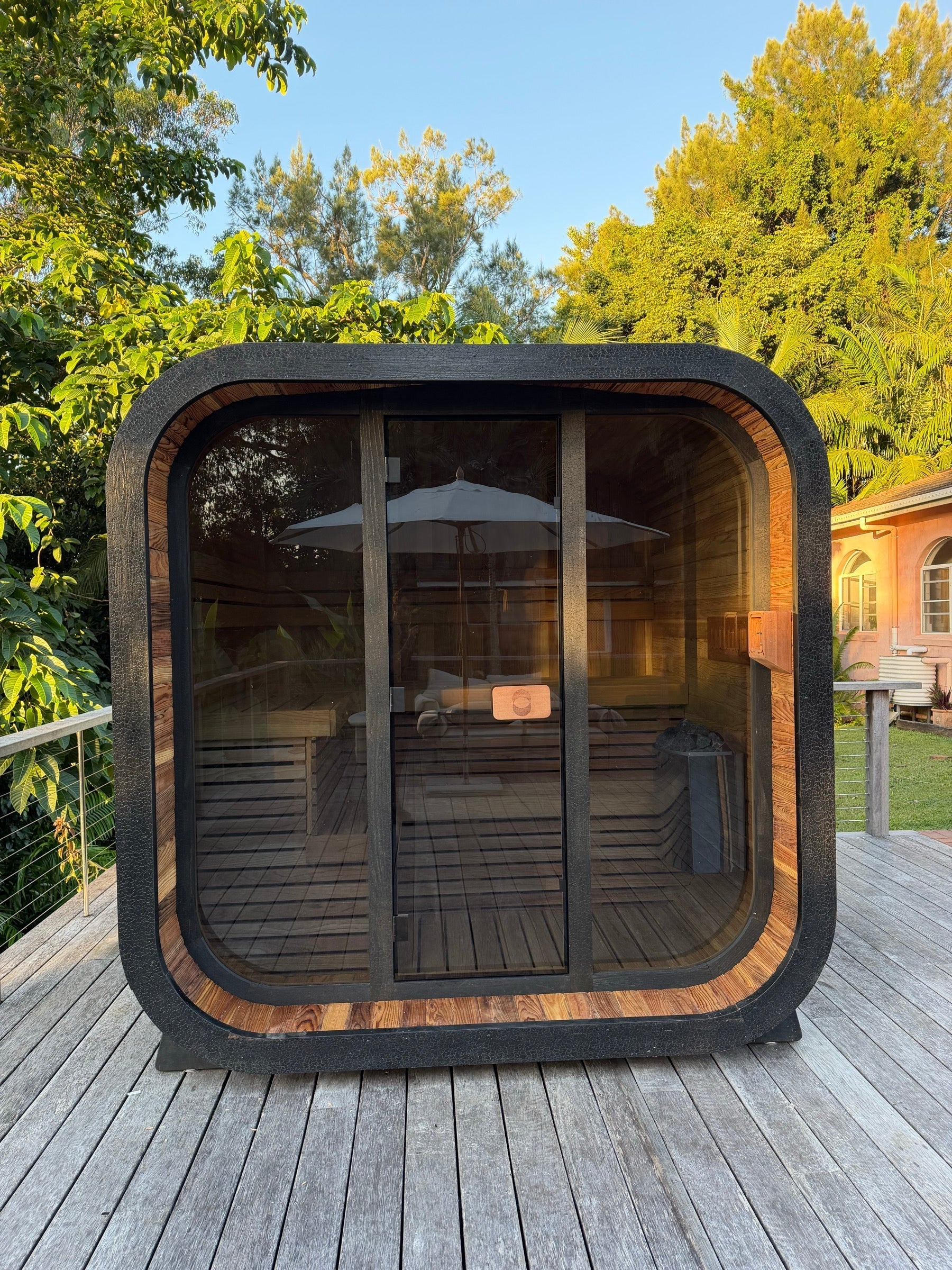
Japanese Cedar exterior. Zero-glue construction. HUUM Drop heater. Built to deliver real Finnish heat — not a cheap approximation of it.
SEE THE GENESIS →What Happens Physiologically When You Fast and Sauna Together
Fasting shifts your body's primary fuel source from glucose to fat. After 12–16 hours without food, glycogen stores drop low enough that fat oxidation becomes the dominant energy pathway. Step into a sauna at that point — where core temperature rises, heart rate climbs to 100–150 BPM, and metabolic demand increases — and your body burns fat to meet that demand.
At the same time, heat exposure at 80–100°C triggers growth hormone release. Dr Rhonda Patrick, biomedical scientist and host of the FoundMyFitness podcast, has cited research showing that specific sauna temperature and duration protocols can produce dramatic increases in growth hormone — a hormone that is already elevated during fasting. The two mechanisms compound each other.
Autophagy — the cellular cleaning process fasting initiates — also appears to be supported by heat stress. Both stressors signal the body to repair and rebuild. The overlap is not coincidental. It is why serious biohackers and performance-focused practitioners are drawn to the combination.
If you want to understand the full evidence base for what heat therapy does on its own, our evidence-based sauna benefits guide covers the research in detail.
Understanding the Common Fasting Protocols — and Which Pairs Best With Sauna
Not all fasting protocols carry the same risk profile when combined with heat therapy. The distinction matters.
Intermittent fasting (16/8) is the lowest-risk combination. If your eating window closes at 8pm and your sauna session runs at 10–11am the following day, you are 14–16 hours fasted — glycogen-depleted enough to maximise fat oxidation, but not so depleted that electrolyte and blood sugar risks become serious. This is the protocol most compatible with daily sauna use.
5:2 fasting presents moderate risk on restricted-calorie days. Sauna sessions on those days should be shorter — 10–15 minutes maximum — and hydration and electrolyte intake need to be deliberate.
Water fasting (24 hours or more) significantly raises the risk of orthostatic hypotension and electrolyte imbalance in a hot environment. If you use a sauna during a water fast, keep sessions under 10 minutes, have someone present, and exit immediately at the first sign of light-headedness.
Extended fasting (multi-day) and sauna use is not recommended without direct medical supervision. The electrolyte depletion risk from extended fasting, compounded by the sweating volume of a full sauna session, creates a dangerous combination for most people.
For protocol-specific guidance on how long to spend in the sauna under normal conditions, see our complete breakdown of how long to stay in a sauna by goal and experience level.
What the Experts Actually Say: Huberman and Patrick on Heat and Fasting
Dr Andrew Huberman, neuroscientist and professor at Stanford University, has discussed the endorphin and mood-regulating effects of sauna use extensively. His position is that sauna sessions produce a neurochemical response — endorphin release, reduced cortisol, elevated norepinephrine — that complements the cognitive sharpness that comes with a fasted state. The combination, in his view, creates a mental clarity state that neither practice produces alone at the same intensity.
Dr Rhonda Patrick's work adds the cellular dimension. She has highlighted that heat shock proteins — activated by regular sauna sessions at genuine Finnish temperatures — protect muscle tissue and contribute to repair. When growth hormone is already elevated through fasting, heat-induced growth hormone release stacks on top of it. Patrick's research emphasis is on frequency and temperature: the benefits require real heat (80°C minimum) and consistent use, not occasional 60°C sessions in a cheap infrared unit.
This is a critical distinction. The research Huberman and Patrick reference was conducted in traditional Finnish saunas operating at 80–100°C. Infrared saunas operating at 50–60°C do not produce the same physiological response. If the goal is to genuinely stack fasting and heat therapy benefits, the sauna has to reach real temperature. Our guide on how hot a sauna should actually be covers this in full.
The Real Risks of Combining Fasting and Sauna
This combination is not for everyone, and the risks are not minor inconveniences. They are physiological events that can escalate quickly in a hot room with no exit route if you wait too long to act.
Dehydration is the primary risk. Fasting reduces fluid intake, and a 20-minute sauna session at 90°C produces 0.5–1 litre of sweat. Enter already dehydrated and the deficit compounds fast.
Orthostatic hypotension — a sudden drop in blood pressure when moving from seated to standing — is exacerbated by both fasting-related blood pressure reduction and the peripheral vasodilation caused by heat. Dizziness and fainting in a sauna are not uncommon for fasted users who move too quickly.
Electrolyte imbalance is the risk that gets underestimated. Sweat contains sodium, potassium, and magnesium. Extended fasting reduces dietary replenishment of all three. Combine the two and muscle cramping, heart palpitations, and in severe cases cardiac arrhythmia become real risks — not distant possibilities.
Hypoglycaemia is relevant for anyone combining longer fasting windows with extended sessions. Blood glucose can drop low enough during a 30-minute sauna session in a 16+ hour fasted state to cause confusion, weakness, and loss of coordination. Shorten sessions. This is not a situation to push through.
How to Mitigate the Risks: A Practical Protocol
Hydrate Before You Enter
Drink 500–750ml of water in the hour before your session. If you are 14+ hours fasted, add an electrolyte supplement — sodium, potassium, magnesium — before you enter, not after.
Cap Session Length at 15–20 Minutes
Under normal conditions, 20–30 minute sessions are standard. When fasting, reduce this to 15–20 minutes maximum. The heat stimulus is still effective. The dehydration and hypotension risk is meaningfully lower.
Stand Slowly — Every Time
Orthostatic hypotension hits when you move suddenly from seated to standing. At the end of every session, pause. Sit upright for 30 seconds. Stand slowly and hold the bench or wall before moving to the door.
Monitor Your Response — Honestly
Light-headedness, nausea, heart palpitations, or confusion are exit signals — not things to wait out. Leave the sauna immediately, sit on a cool surface, and drink water with electrolytes. Do not push through these symptoms.
Never Fast and Sauna Alone on Your First Attempt
The first time you combine these two practices, have someone nearby. You do not know your individual response yet. The variable is not the sauna or the fast — it is the combination at your particular physiology.
Consult Your Doctor if You Have Underlying Health Conditions
Cardiovascular conditions, diabetes, or a history of fainting make this combination higher risk. Get medical clearance before combining extended fasting with heat therapy. This is not optional — it is the responsible prerequisite.
The Sauna That Doesn't Compromise
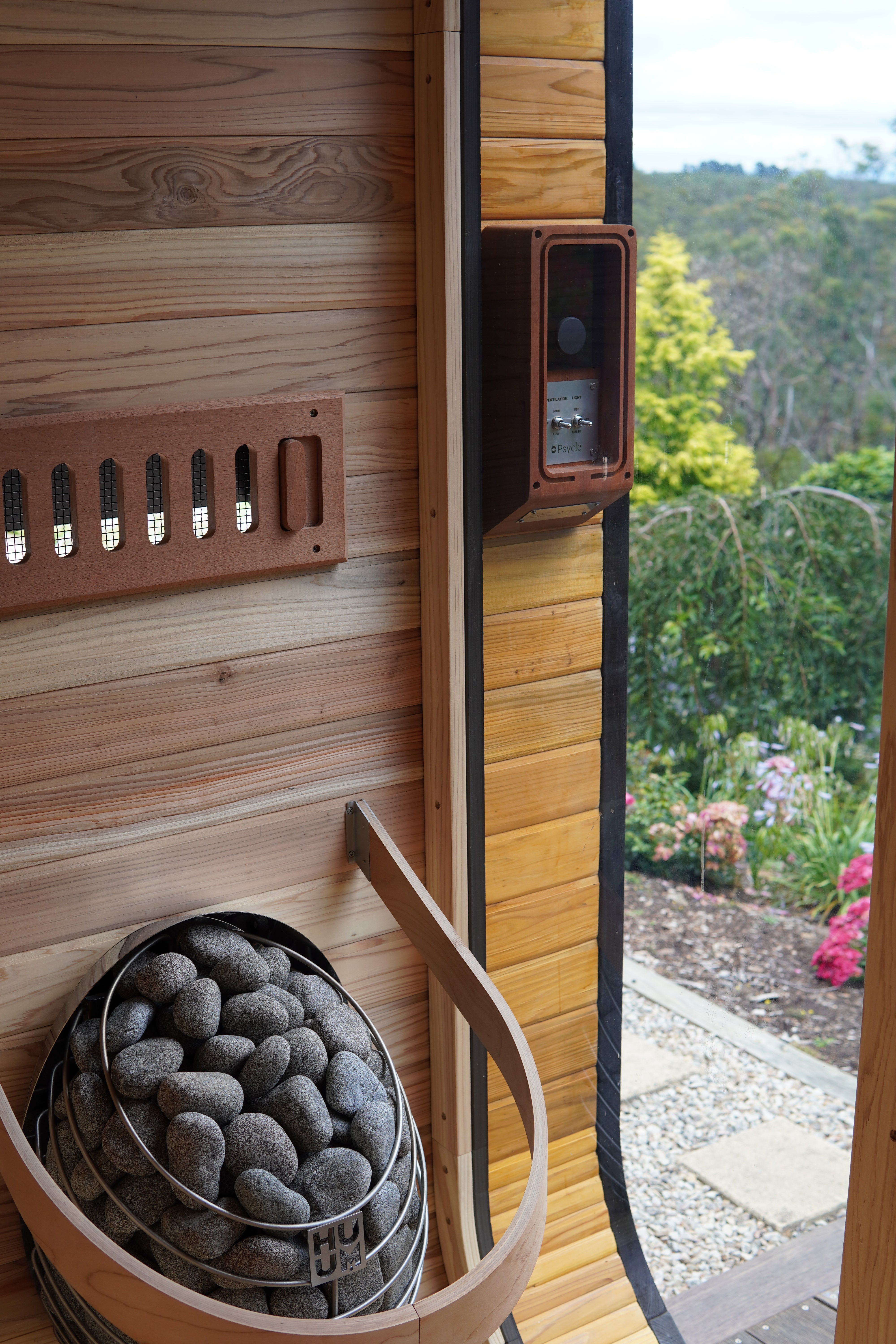
Active mechanical ventilation. Blue light blocking lighting. HUUM Drop 9kW heater with 60kg volcanic stone. The Genesis is built to deliver the heat that the research actually tested — 80–100°C, clean air, every session.
EXPLORE THE GENESIS →Fasting, Sauna, and Detoxification: What the Science Actually Supports
The claim that saunas "detoxify" the body gets used loosely — but there is legitimate research behind the specific mechanism. Sweat does contain measurable concentrations of heavy metals including lead, mercury, and arsenic. A 2012 review published in the Journal of Environmental and Public Health found that sweat analysis showed excretion of toxicants including heavy metals and bisphenol A across multiple studies.
Fasting does not directly enhance this mechanism, but it does reduce digestive load and redirects metabolic resources toward cellular repair — which includes the liver and kidney pathways that process and excrete toxins. The combination is not a "detox protocol" in the marketing sense. It is two independently supported physiological processes running in parallel.
If you want to go deeper on what the evidence actually says about sauna-induced detoxification, our article on sauna detoxification and sweating out toxins separates the science from the marketing.
Sauna While Fasting: Comparison of Fasting Protocols and Risk Level
| Fasting Protocol | Risk Level | Recommended Session Length | Key Precaution |
|---|---|---|---|
| Intermittent (16/8) | Low–Moderate | 15–20 minutes | Hydrate and add electrolytes before |
| 5:2 (restricted days) | Moderate | 10–15 minutes | Shorten session, electrolyte supplementation essential |
| 24-hour water fast | High | Under 10 minutes | Do not sauna alone — someone must be present |
| Multi-day extended fast | Very High | Not recommended | Medical supervision required before combining |
How Often Should You Sauna When Incorporating Fasting?
Frequency matters as much as duration. The research supporting sauna health outcomes — from cardiovascular protection to growth hormone elevation — is built on consistent, repeated use, not single sessions.
If you are practising intermittent fasting daily and want to stack sauna sessions, 4–7 sessions per week is the evidence-backed frequency range. The key is that each session does not have to be long. Three rounds of 12–15 minutes with cooling breaks between delivers a stronger cumulative stimulus than a single 40-minute session.
When fasting is in the mix, the adjustment is not to your weekly frequency — it is to your per-session duration and your pre-session hydration protocol. Keep both tight and the combination is sustainable long term.
Our guide on how often you should sauna covers the frequency research across different health goals.
Does the Type of Sauna Matter When Fasting?
Yes — and this is where a lot of people waste the protocol entirely.
The research that Huberman and Patrick cite, the growth hormone studies, the heat shock protein research, the cardiovascular outcome data — it was conducted in traditional Finnish saunas operating at 80–100°C. Infrared saunas, which typically operate between 45–65°C, do not produce the same acute cardiovascular response, the same core temperature elevation, or the same sweat volume.
If the goal is to stack fasting and heat therapy for genuine physiological benefit, the sauna has to reach real operating temperature. A sauna that tops out at 60°C with a 3kW heater and no stone mass is not the same instrument. For a full breakdown of why the distinction matters, see our comparison of traditional versus infrared sauna — the science, benefits, and truth.
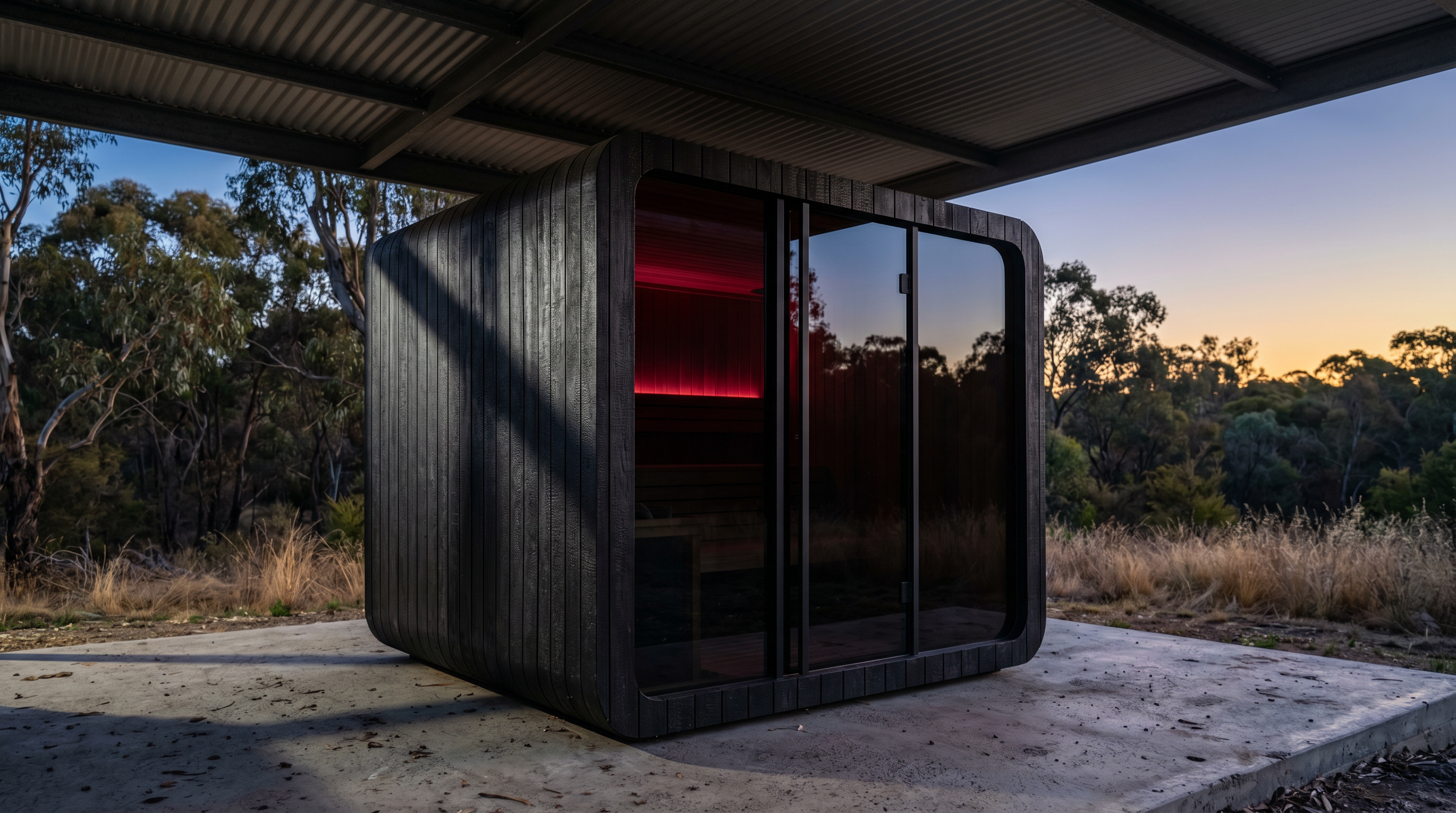
The Genesis runs at 70–100°C with a HUUM Drop 9kW heater and 60kg of volcanic stone. The stone mass holds heat through löyly pours and through the full session — the temperature does not collapse the moment you add steam. That consistency is what produces the physiological response the research demonstrates.
Who Should Not Combine Fasting and Sauna
This combination is not appropriate for everyone. Be direct with yourself about whether your health profile fits.
Avoid combining fasting and sauna use — or seek medical clearance first — if you have: a cardiovascular condition or irregular heart rhythm; a history of fainting or hypotension; type 1 or insulin-dependent type 2 diabetes; kidney disease or a history of electrolyte disorders; a history of eating disorders or disordered relationship with fasting; current pregnancy.
This is not an exhaustive list. If you are uncertain, the answer is always to consult your GP before adding physiological stress to an existing health variable.
Frequently Asked Questions: Sauna While Fasting
Is it safe to use a sauna while intermittent fasting?
For most healthy adults, yes — with modifications. Cap sessions at 15–20 minutes, hydrate well before entering, supplement with electrolytes, and stand slowly when exiting to avoid orthostatic hypotension. Intermittent fasting (16/8) is the lowest-risk protocol to combine with sauna use. Extended or multi-day fasting significantly raises the risk level and requires medical guidance.
Does sauna use break a fast?
No. A sauna session does not involve caloric intake and does not trigger an insulin response. It will not break a fast in any of the standard protocols — intermittent, 24-hour, or extended. Electrolyte supplements without calories or sweeteners are also generally considered fast-compatible, though specific fasting goals (autophagy, for instance) may have their own guidance.
Can you lose more weight by fasting before a sauna?
The weight lost immediately after a sauna session is almost entirely water weight from sweat — it returns once you rehydrate. The longer-term mechanism is more nuanced: fasting-depleted glycogen stores push your body toward fat oxidation during the heat exposure, which may enhance fat burning at the metabolic level. This is not a substitute for overall energy balance, but it is a real physiological mechanism for body composition management over time.
What should you eat or drink before a sauna if you are fasting?
Water and electrolytes — sodium, potassium, magnesium — before entering. If you are in a strict fasting window, a zero-calorie electrolyte supplement is the correct tool. Avoid entering a sauna if you feel already depleted, dizzy, or fatigued. Those symptoms before the session will only worsen inside it. Break your fast after the session and prioritise protein and mineral-rich foods to support recovery.
How long should a sauna session be when fasting?
Reduce your standard session length by 25–30% when fasting. If you normally do 20–25 minutes per round, target 15–20 minutes maximum. Multiple shorter rounds with cooling breaks between are more sustainable and safer than one long session when your electrolyte reserves are already compromised by fasting.
Ready to Build This Into Your Routine?
Free Australia-wide delivery. 3-year cabin warranty. Zero-toxin construction throughout — so the only thing you breathe in a Genesis is clean air at 90°C. 120-day build time means you can plan your protocol before it arrives.
SHOP THE GENESIS →References
Longo, V. D., & Mattson, M. P. (2014). Fasting: Molecular Mechanisms and Clinical Applications. Cell Metabolism, 19(2), 181–192. https://doi.org/10.1016/j.cmet.2013.12.008
Genuis, S. J., Birkholz, D., Rodushkin, I., & Beesoon, S. (2011). Blood, Urine, and Sweat (BUS) Study: Monitoring and Elimination of Bioaccumulated Toxic Elements. Archives of Environmental Contamination and Toxicology, 61(2), 344–357.
Hussain, J., & Cohen, M. (2018). Clinical Effects of Regular Dry Sauna Bathing: A Systematic Review. Evidence-Based Complementary and Alternative Medicine.
Huberman, A. (2021). Using Heat to Improve Performance, Mood and Health. Huberman Lab Podcast. https://hubermanlab.com
Patrick, R. (2019). Sauna Use and Longevity. FoundMyFitness Podcast. https://www.foundmyfitness.com
This article is for informational purposes only and does not constitute medical advice. Consult a qualified healthcare professional before combining fasting and sauna therapy, particularly if you have any underlying health conditions.