
Cold Plunge Benefits Australia: The Complete Science Guide
Cold Plunge Benefits Australia: 8 Evidence-Based Reasons to Get In

Cold plunge benefits include reduced inflammation, a 250% spike in dopamine, accelerated muscle recovery, stronger immune response, improved sleep quality, and measurable gains in mental resilience. For Australians training in heat, recovering between sessions, or simply refusing to let their body accumulate the toll of high output, cold water immersion at 10–15°C is one of the most well-researched recovery tools available.
A 2021 randomised controlled trial published in PLOS ONE found that cold water immersion significantly reduced delayed-onset muscle soreness (DOMS) and restored muscle function faster than passive recovery. That's not anecdote. That's a measurable physiological outcome — which is exactly why cold plunge recovery in Australia is accelerating from elite sport into everyday high-performance living.
Why Most Australians Are Recovering Wrong
Australia's climate is brutal. Summer sessions hit 38°C before you've finished your warm-up. Core temperature climbs. Sleep suffers. Inflammation compounds. And the recovery options available to most people — foam rolling, contrast showers, passive rest — are doing the bare minimum.
Commercial recovery suites charge $40–$80 per session for cold plunge access. They're inconsistent on temperature, shared with strangers, and unavailable at 6am when your body actually needs it. You are building a recovery routine on infrastructure you don't control.
The alternative isn't complicated. It's a purpose-built cold plunge in your own home — temperature-controlled, ready on demand, engineered for daily use. But before you invest in one, you need to understand exactly what cold water immersion does to your body and why the protocol matters as much as the hardware.
What Cold Water Immersion Actually Does to Your Body
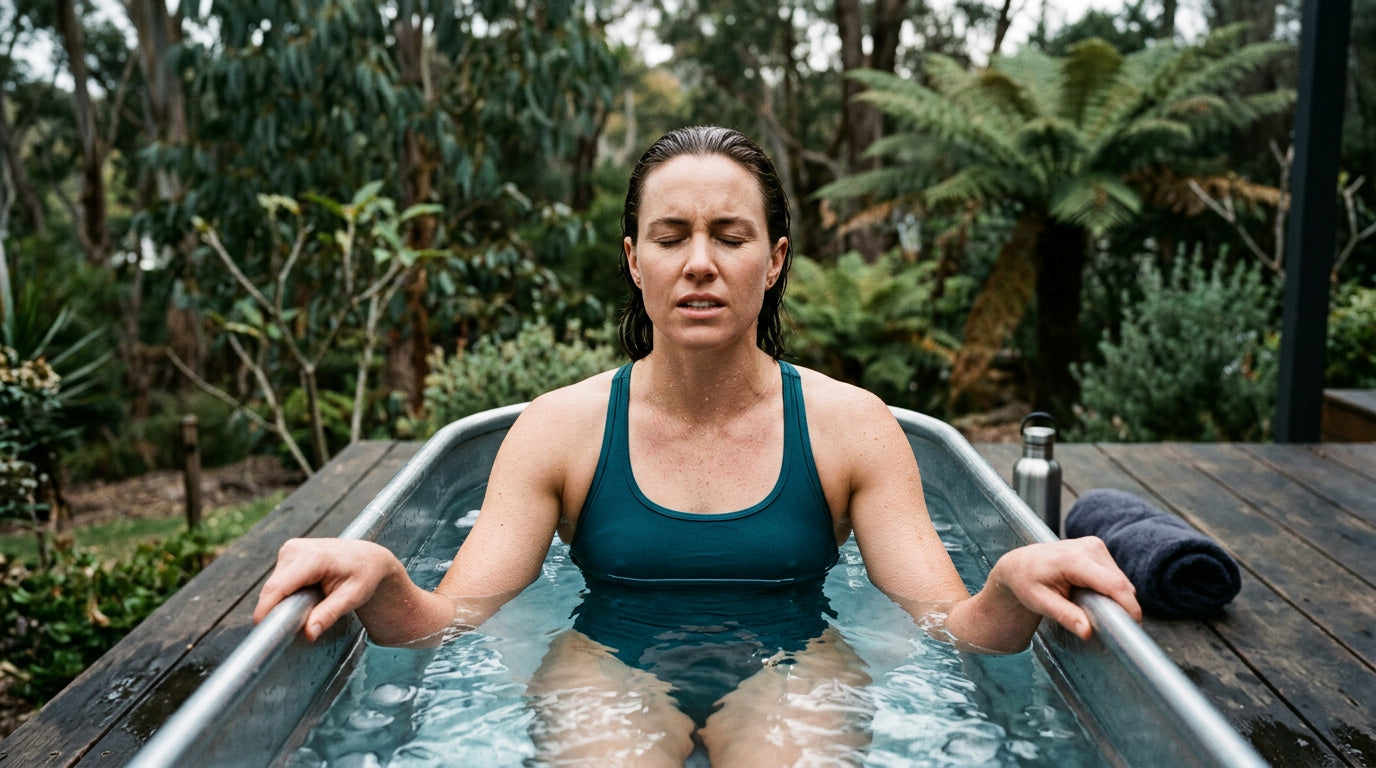
Cold water immersion is the practice of submerging the body in water between 10–15°C for a defined period — typically two to ten minutes — to trigger a cascade of neurological, hormonal, and cardiovascular adaptations. It is not simply 'feeling cold.' It is a controlled physiological stressor that, applied correctly, produces measurable improvements in recovery, mood, metabolism, and stress tolerance.
The mechanism starts the moment your skin hits cold water. Peripheral blood vessels constrict. Heart rate spikes. The sympathetic nervous system activates. Norepinephrine — the primary stress hormone and alertness compound — floods the bloodstream. That initial shock is not something to endure. It is the stimulus. Everything that follows — the recovery, the adaptation, the benefit — is the body's response to that stimulus.
Cold Therapy, Built for Australian Conditions
The Origin cold plunge is engineered for daily use — precise temperature control, purpose-built for outdoor Australian environments, ready when your body needs it.
SEE THE ORIGIN →8 Evidence-Based Cold Plunge Benefits Backed by Science
1. Inflammation Reduction and Accelerated Muscle Recovery
Cold water immersion reduces the inflammatory markers that accumulate after intense training. A 2012 meta-analysis by Leeder et al. published in the British Journal of Sports Medicine found that cold water immersion significantly reduced both DOMS and muscle performance decrements compared to passive recovery across 14 randomised controlled trials.
The mechanism is vascular. Cold causes vasoconstriction — blood vessels narrow, reducing blood flow to damaged tissue and slowing the inflammatory cascade. When you exit the cold plunge and your body rewarms, vasodilation returns blood flow rapidly, flushing metabolic waste and delivering oxygen to recovering tissue. That flush-and-refill cycle is the physiological reset your muscles need between sessions.
For Australians training across hot and humid conditions — outdoor CrossFit, surf, trail running, contact sport — that recovery acceleration is the difference between maintaining output five days a week and grinding through sessions on a compromised body. If you are combining cold plunge with sauna work post-training, read our breakdown of how to structure sauna after a workout for maximum recovery output.
2. Dopamine and Norepinephrine: The Neurochemical Case for Cold
In 2021, researcher Susanna Søberg and colleagues published findings in Cell Reports Medicine documenting that cold water immersion produces a sustained dopamine increase of up to 250% above baseline — a release profile that outlasts the session itself by several hours. The same study recorded norepinephrine increases of approximately 300%.
This is not a transient caffeine spike. Dopamine released through cold exposure builds gradually and sustains, unlike the sharp peak and crash of stimulants. The result is heightened focus, improved mood, and elevated motivation that persists through the morning. High performers who cold plunge daily are not doing it for the shock. They are doing it for the neurochemical architecture it builds.
Dr Rhonda Patrick, a biomedical scientist who has extensively reviewed cold exposure research, notes that the catecholamine response from cold immersion is one of the most reliable non-pharmacological dopaminergic triggers available — and critically, it does not produce tolerance in the way stimulants do.
3. Metabolic Rate and Cold-Induced Thermogenesis
Cold exposure activates brown adipose tissue (BAT) — a thermogenic fat that burns calories to generate heat. A 2021 study by Søberg et al. in Cell Reports Medicine found that regular cold water immersion and sauna use increased cold-induced thermogenesis, with participants burning significantly more energy post-immersion as the body worked to restore core temperature.
BAT activation is not a substitute for training or nutrition discipline. But for Australians already dialled-in on both, cold immersion adds a measurable metabolic signal — particularly relevant for those managing body composition through summer when heat suppresses training intensity and appetite control becomes harder.
4. Immune Function and Resilience to Illness
A landmark 2016 randomised controlled trial by Buijze et al. published in PLOS ONE found that participants who took cold showers had a 29% reduction in self-reported sick days compared to those who did not. The trial covered 3,018 participants — it is one of the largest cold exposure studies conducted.
The mechanism involves increased production of natural killer (NK) cells and a shift in the Th1/Th2 immune balance toward greater innate immune function. Cold exposure is a controlled immune stressor — like exercise for the immune system. The body adapts by building a more responsive and resilient immune baseline.
5. Vagus Nerve Activation and Stress Tolerance
The vagus nerve is the primary pathway of the parasympathetic nervous system — the 'rest and recover' circuitry that counterbalances chronic sympathetic activation. Cold water immersion applied to the face and chest stimulates the vagus nerve directly, increasing heart rate variability (HRV) and accelerating the transition from fight-or-flight to recovery state.
Research by Wim Hof and colleagues at Radboud University Medical Centre, published in PNAS in 2014, demonstrated that cold exposure training produced a measurable increase in anti-inflammatory cytokine response and improved autonomic regulation. Participants trained in cold immersion showed greater HRV and faster sympathetic dampening than untrained controls.
For high performers dealing with chronic stress loading — work, training, sleep debt — cold immersion is one of the most direct levers available to improve HRV and stress tolerance. It is not relaxing in the moment. That is exactly the point. Controlled discomfort builds tolerance to uncontrolled stress. The adaptations accumulate with consistency.
6. Sleep Quality and Nocturnal Recovery
Core body temperature drop is one of the primary triggers for sleep onset. Cold water immersion in the evening accelerates this temperature decline, signalling to the brain that it is time to shift into deep sleep architecture. The result is faster sleep onset and an increase in slow-wave (deep) sleep — the phase most responsible for physical recovery and growth hormone secretion.
In Australian summers, ambient temperatures at night actively interfere with this temperature cascade. Your bedroom is 28°C and your body cannot cool down fast enough. A 10-minute cold plunge at 12°C before bed short-circuits that problem. You hit the pillow with core temperature already trending toward sleep-ready state.
7. Mental Resilience and Deliberate Discomfort Training
Getting into cold water at 10°C is hard. Every time. The physiological discomfort is real — the cold shock response, the urge to exit, the instinct to avoid. Choosing to enter anyway — and choosing to stay — is a trainable skill. Neuroscientist Dr Andrew Huberman of Stanford University describes the cold plunge as a tool for building 'top-down control' — the ability to override limbic impulse with deliberate intention.
That skill transfers. The same prefrontal override that keeps you in a 10°C plunge for three minutes is what keeps you executing under pressure when the situation is uncomfortable but the stakes are real. Cold exposure is one of the few daily practices where the mental adaptation is the primary product — and the physical benefits are the secondary reward.
8. Cardiovascular Conditioning and Blood Pressure Regulation
Cold water immersion produces a rapid cardiovascular response: heart rate elevation, vasoconstriction, and elevated blood pressure in the immediate term. With regular exposure, the body adapts — vascular elasticity improves, resting heart rate decreases, and the cardiovascular system becomes more efficient at managing rapid temperature transitions.
A 2021 review by Esperland et al. in Journal of Clinical Medicine found associations between regular cold water swimming and improved cardiovascular markers including lower resting heart rate and reduced blood pressure in habitual cold water swimmers versus controls. The adaptation is cumulative — it builds with consistent practice over weeks and months, not from a single session.
How Cold Should a Cold Plunge Be? The 10–15°C Sweet Spot
The effective temperature range for cold plunge therapy is 10–15°C. Below 10°C risks cold shock response severe enough to impair breathing control and increases the risk of adverse cardiovascular events, particularly in those new to cold exposure. Above 15°C reduces the physiological stimulus significantly — the vasoconstriction, norepinephrine release, and thermogenic activation all diminish at higher temperatures.
| Temperature | Effect | Recommended For |
|---|---|---|
| Below 10°C | Strong cold shock, high cardiovascular stress | Experienced practitioners only, short duration |
| 10–12°C | Maximum norepinephrine and dopamine stimulus | Intermediate to advanced, 2–4 minutes |
| 12–15°C | Full therapeutic benefit, controlled stimulus | Daily practice, all experience levels |
| 15–20°C | Mild vasoconstriction, reduced neurochemical stimulus | Beginners, entry-level cold adaptation |
| Above 20°C | Minimal cold therapy benefit | Not recommended as cold plunge therapy |
Start at 15°C. Build tolerance across two to four weeks before dropping the dial. The discomfort at 15°C is already significant enough to produce a meaningful neurochemical response — chasing the lowest possible temperature before you are adapted to it is not discipline. It is risk without proportional reward.
How Long to Stay in a Cold Plunge: A Protocol Breakdown by Goal
Duration matters. Too short and you do not produce sufficient physiological stimulus. Too long and you risk hypothermia and excessive sympathetic activation that can compromise sleep if done late in the day.
Beginners: 1–2 minutes at 14–15°C
Build the cold shock response tolerance first. The goal in week one is controlled breathing, not duration. Enter, breathe through the initial spike, exit once you are in control.
Muscle Recovery: 3–5 minutes at 12–15°C
Used post-training to reduce DOMS and flush inflammatory markers. Time the session within 30–60 minutes post-exercise for peak anti-inflammatory effect. Submerge to the shoulders.
Neurochemical Output: 2–4 minutes at 10–14°C
Morning sessions targeting dopamine and norepinephrine for focus and mood. Keep this session before food. The sustained catecholamine release carries through the morning and into the early afternoon.
Sleep and Evening Recovery: 5–10 minutes at 12–15°C
Evening sessions at slightly warmer temperatures to drive core temperature drop without over-activating the sympathetic system. Finish at least 90 minutes before bed to allow full parasympathetic recovery.
Mental Resilience Training: Any duration, colder temperature
The goal here is not duration. It is the deliberate decision to stay in the discomfort for a defined window. Set a timer. Do not negotiate with it. That is the practice.
The Origin Cold Plunge: Engineered for Australians Who Train
The Psycle Origin is a purpose-built ice bath engineered for daily use in Australian outdoor conditions. It is not a repurposed stock tank or an entry-level tub with a chiller bolted on. Every element is designed for precision temperature control, durability in variable outdoor environments, and the kind of daily-use reliability that a serious recovery protocol demands.
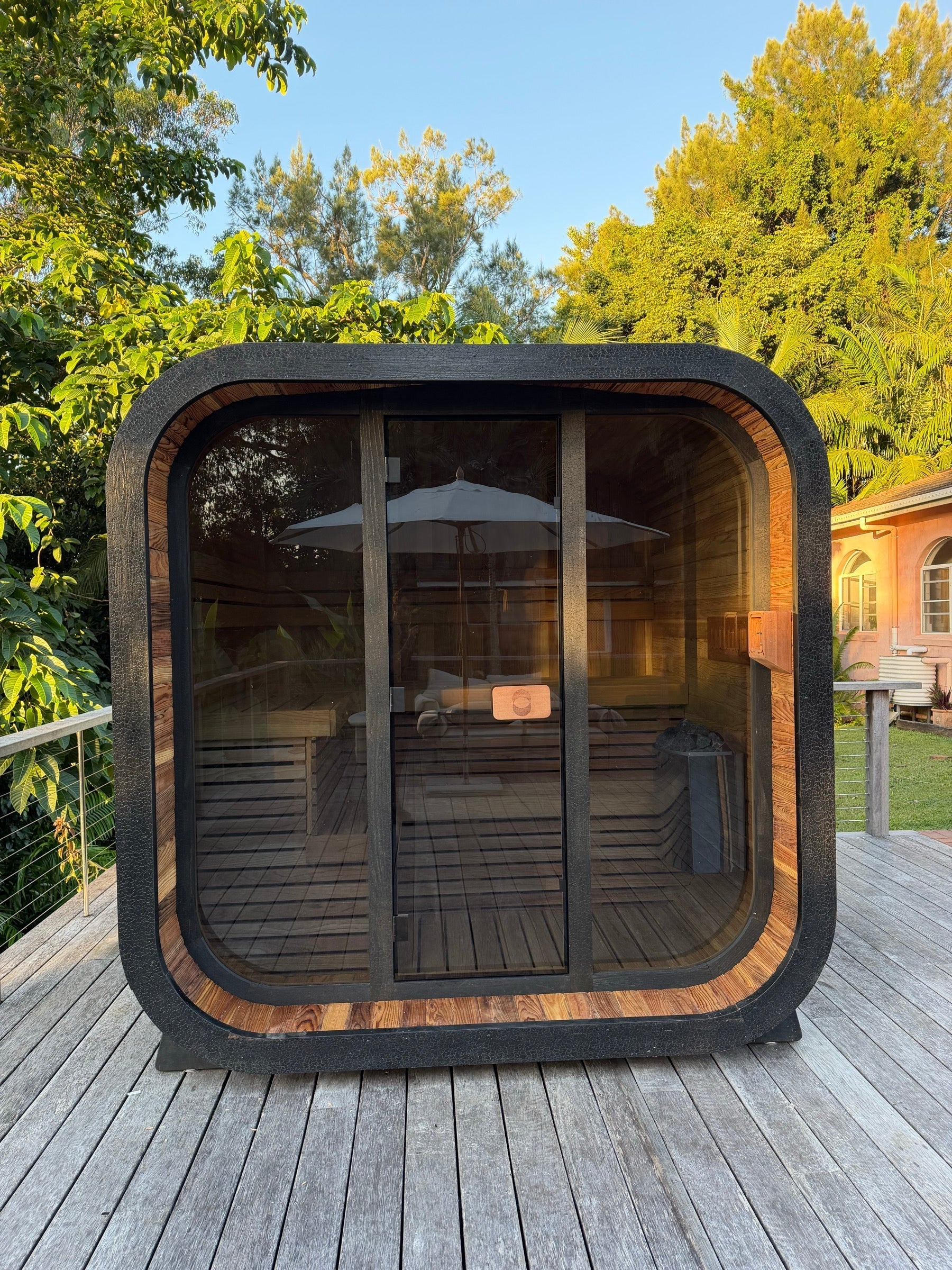
Pair the Origin with the Genesis sauna and you have the complete contrast therapy system — heat and cold, under your control, in your own backyard. That combination is explored in our full contrast therapy Australia guide, including the specific protocols used by high-performing Australians to structure heat and cold cycles for maximum physiological output.
You are not buying a tub of cold water. You are buying the infrastructure to run a daily protocol that the research consistently supports. If you are serious about recovery, that deserves serious equipment.
The Complete Recovery System for Australian High Performers
The Contrast Kit bundles the Genesis sauna and Origin cold plunge — free Australia-wide delivery, 3-year cabin warranty, 120-day build. Engineered to last decades.
EXPLORE THE CONTRAST KIT →Cold Plunge Before and After: What Changes With Consistent Practice
The benefits of cold plunge are cumulative. A single session produces an acute neurochemical response. Daily practice over 8–12 weeks produces structural adaptation — improved HRV, lower resting heart rate, reduced baseline inflammation, and a measurably higher tolerance for physiological and psychological stress.
Australians running this protocol daily report a consistent pattern: the first two weeks are about managing the shock response. Weeks three to six, the cold becomes uncomfortable but controllable. By week eight, entering the plunge is no longer a battle — it is a ritual. The discomfort does not disappear, but your relationship to it changes completely.
That shift in relationship to discomfort is the most underrated benefit of consistent cold exposure. It builds a psychological baseline that holds under real-world pressure — in training, in business, under stress. You have already chosen discomfort this morning. Everything else is relative.
For a deeper look at how cold plunge pairs with the documented benefits of heat therapy as part of a complete recovery system, see our evidence-based guide to sauna benefits for Australians.
Contrast Therapy: Why Cold Plunge and Sauna Together Outperform Either Alone
Contrast therapy — alternating heat and cold immersion in structured cycles — produces physiological benefits that exceed either stimulus in isolation. The mechanism is vascular: sauna drives profound vasodilation at 80–100°C, expanding blood vessels and increasing peripheral blood flow. Cold plunge then forces rapid vasoconstriction. That alternating pump — dilate, constrict, dilate, constrict — is sometimes called a 'vascular workout,' and the circulatory adaptations it produces are well-documented.
A 2021 study in Cell Reports Medicine by Søberg et al. found that participants who alternated between sauna and cold water immersion in the same session had superior metabolic and cardiovascular outcomes compared to those who used either modality alone. The combination produced stronger BAT activation, greater norepinephrine release, and a more sustained hormonal recovery response.
The standard contrast protocol used by high performers: 15–20 minutes in the sauna at 80–90°C, followed by 3–5 minutes in the cold plunge at 10–14°C. Repeat two to three times. Finish cold. That last cold exposure cements the vasoconstriction, locks in the dopamine release, and means you exit the session alert, recovered, and clear-headed. Not drained. Not sedated. Loaded.
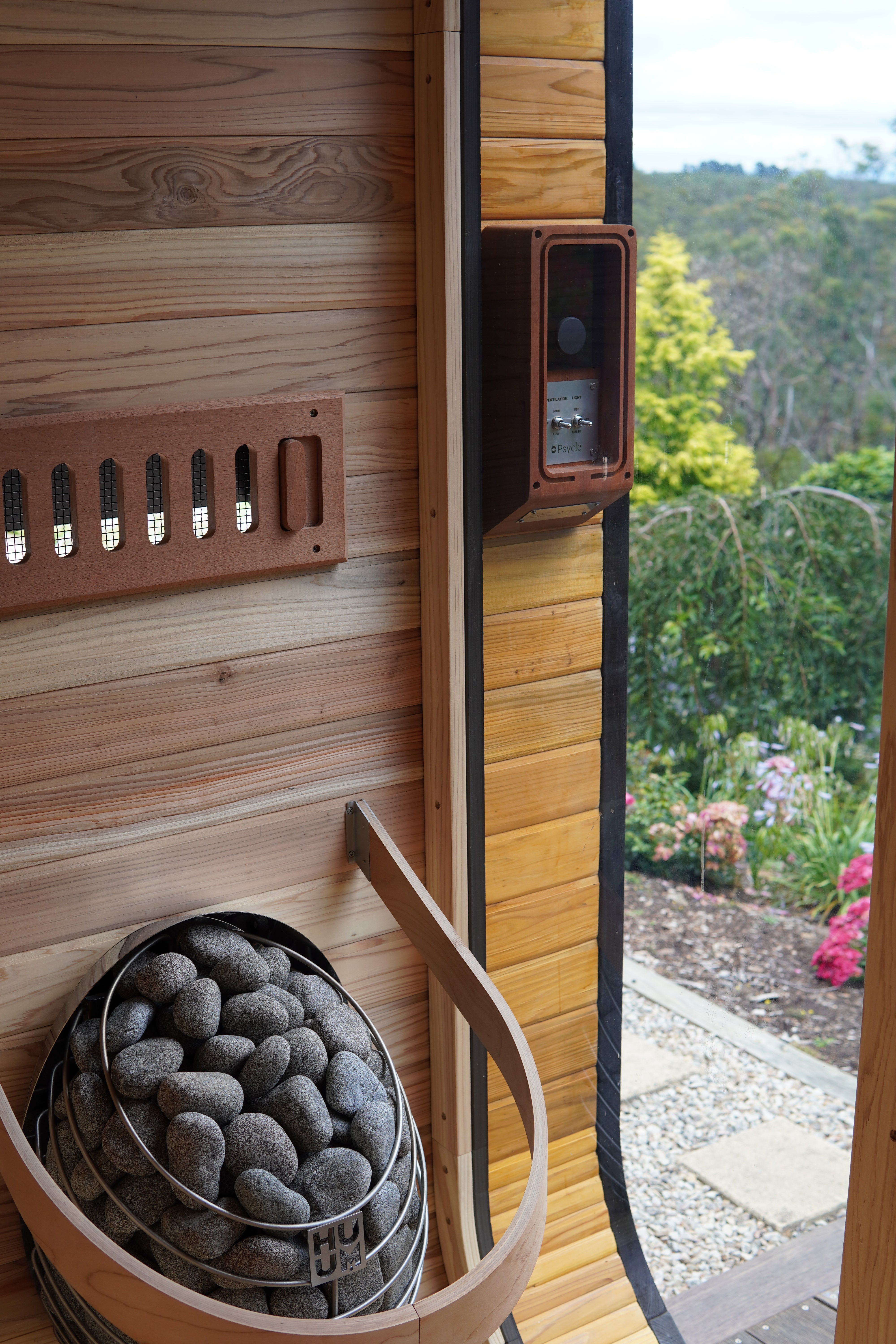
The Psycle Contrast Kit — Genesis sauna and Origin cold plunge — is the only way to run this protocol correctly at home without compromising on either end of the equation. A sauna that hits real temperatures. A cold plunge with precise temperature control. Both built to the same zero-toxin engineering standard. The complete protocol in your own backyard. If you are building a home recovery setup, our guide to home saunas in Australia covers the full specification breakdown and what to look for before you commit.
And for those with outdoor configurations — the majority of Australian installations — see our outdoor sauna guide for site preparation, weatherproofing, and placement considerations specific to Australian conditions.
Frequently Asked Questions: Cold Plunge Benefits Australia
What are the main benefits of a cold plunge in Australia?
Cold plunge benefits include reduced muscle inflammation and DOMS, a 250% spike in dopamine and 300% increase in norepinephrine, improved immune function (29% fewer sick days in one RCT), better sleep quality through accelerated core temperature drop, vagus nerve activation and improved HRV, and measurable gains in mental resilience through deliberate discomfort training. For Australians training in heat, cold water immersion at 10–15°C is one of the most research-supported recovery tools available.
How cold should a cold plunge be for maximum benefit?
The optimal temperature range for cold plunge therapy is 10–15°C. At this range, you produce maximum vasoconstriction, norepinephrine and dopamine release, and thermogenic activation. Below 10°C increases risk without proportional additional benefit for most users. Above 15°C reduces the physiological stimulus. Beginners should start at 14–15°C and build tolerance before reducing the temperature.
How long should you stay in a cold plunge?
Duration depends on your goal. For muscle recovery, 3–5 minutes at 12–15°C post-training is optimal. For neurochemical output and morning focus, 2–4 minutes at 10–14°C. For sleep support, 5–10 minutes at 12–15°C in the evening, finishing at least 90 minutes before bed. Beginners should start with 1–2 minutes at 14–15°C and prioritise controlled breathing over duration.
Is cold plunge better before or after a sauna?
For contrast therapy, cold plunge after sauna produces superior outcomes to either alone. The sauna drives vasodilation at 80–100°C, then cold plunge forces rapid vasoconstriction — that vascular cycling amplifies recovery, metabolic activation, and neurochemical output. Always finish on cold to lock in the vasoconstriction and maximise the sustained dopamine response. A 2021 study by Søberg et al. in Cell Reports Medicine confirmed this sequencing produces better metabolic and cardiovascular outcomes than either modality in isolation.
Can you do cold plunge every day?
Yes — daily cold water immersion is safe and beneficial for most healthy adults when practised at appropriate temperatures and durations. The neurochemical and recovery benefits build with consistent daily practice. Those with cardiovascular conditions, Raynaud's disease, or hypertension should consult a physician before beginning a daily cold exposure protocol. If you are unsure where to start, begin with 1–2 minutes at 14–15°C and build across two to four weeks before increasing intensity.
Heat Recovers You. Cold Hardens You. Together, They Transform You.
The Psycle Contrast Kit — Genesis sauna and Origin cold plunge — is the complete home protocol. Free Australia-wide delivery. $1,000 refundable deposit. 120-day build. Order now for delivery this season.
SHOP THE CONTRAST KIT →