



Trending

For most Australian homeowners, yes - but only if you buy the right type. A quality traditional Finnish sauna with 38mm Japanese Cedar walls and a HUUM heater reaches therapeutic temperatures (80-100°C) that trigger genuine cardiovascular and recovery benefits backed by peer-reviewed research. Cheap flat-pack units with 16mm walls and underpowered heaters rarely sustain heat long enough to deliver those results.
Home saunas in Australia range from $3,000 for entry-level flat-pack units to $28,000+ for a quality traditional cabin with a HUUM heater and Japanese Cedar construction. Running costs on a 9kW heater average around $0.50-$1.00 per 45-minute session at Australian electricity rates - cheaper per session than a gym membership or weekly physio visit.
Infrared saunas heat your body directly using light panels at 45-60°C. Traditional Finnish saunas heat the air to 80-100°C using a stone heater, producing a far deeper sweat and allowing loyly - the steam created by pouring water on hot stones. The clinical research on cardiovascular benefits, heat shock proteins, and longevity is almost entirely based on traditional Finnish sauna use, not infrared.
A landmark Finnish cohort study by Laukkanen et al., published in JAMA Internal Medicine, found men using a sauna 4-7 times per week had a 50% lower risk of fatal cardiovascular events compared to once-weekly users. Regular sessions also support muscle recovery, improve sleep quality, reduce cortisol, and stimulate BDNF - a protein linked to mood and cognitive function.
Contrast therapy - alternating between sauna heat and cold water immersion - is one of the most researched recovery protocols in sports science. The hot-cold cycle drives a sharp spike in norepinephrine and dopamine, accelerates inflammation clearance, and produces a pronounced mood lift that lasts several hours. Australian athletes and wellness practitioners increasingly use it as a daily mental and physical reset. See the contrast therapy guide →
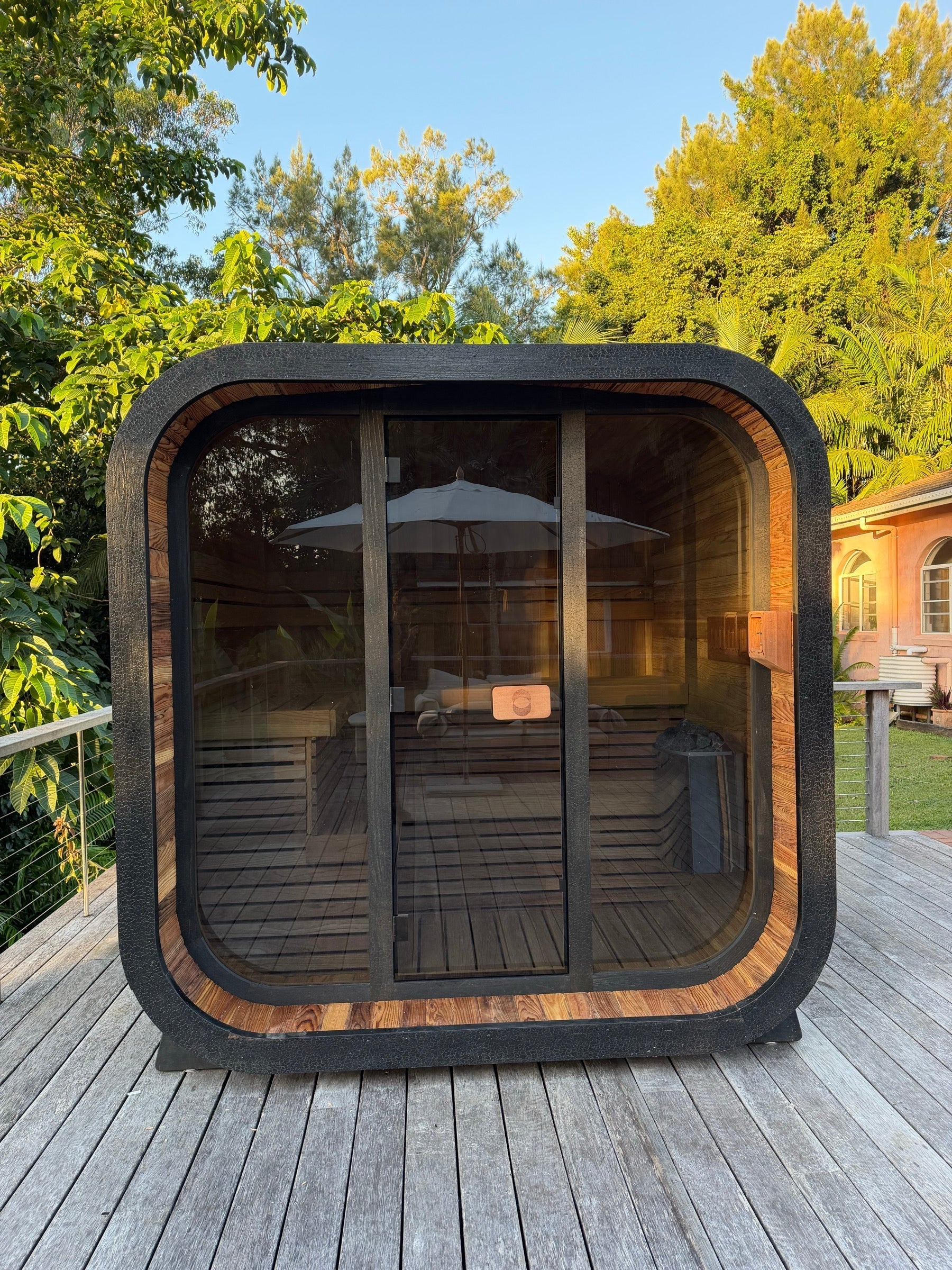

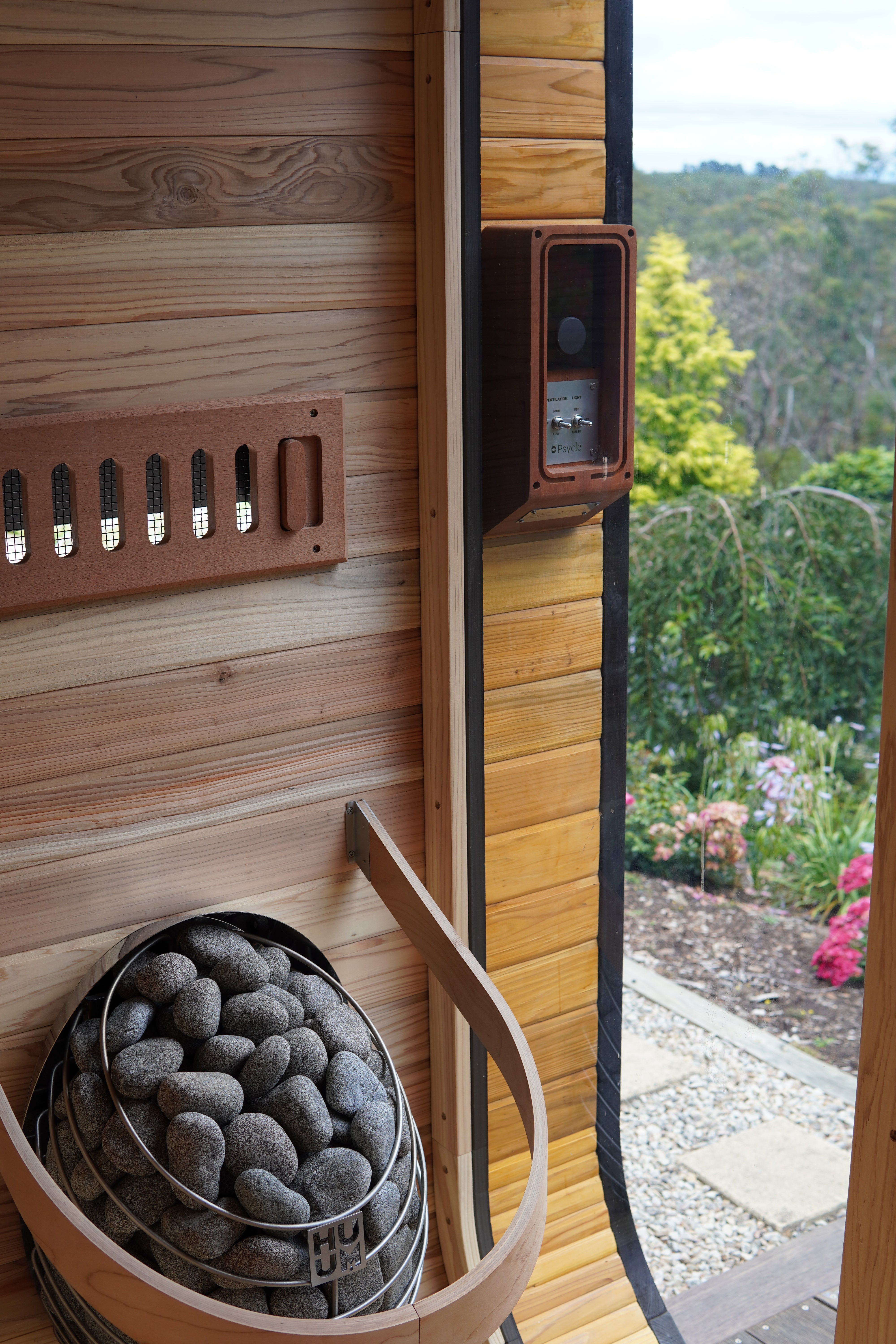
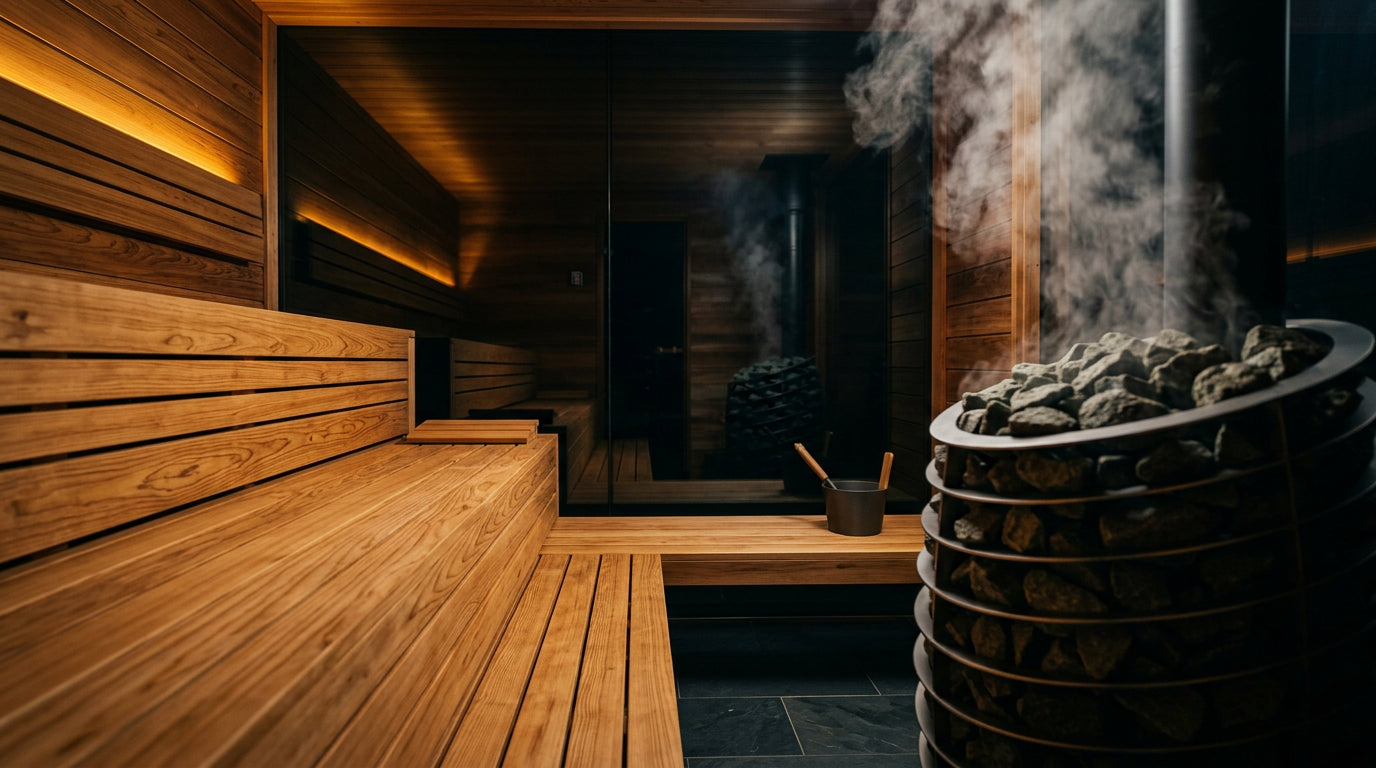
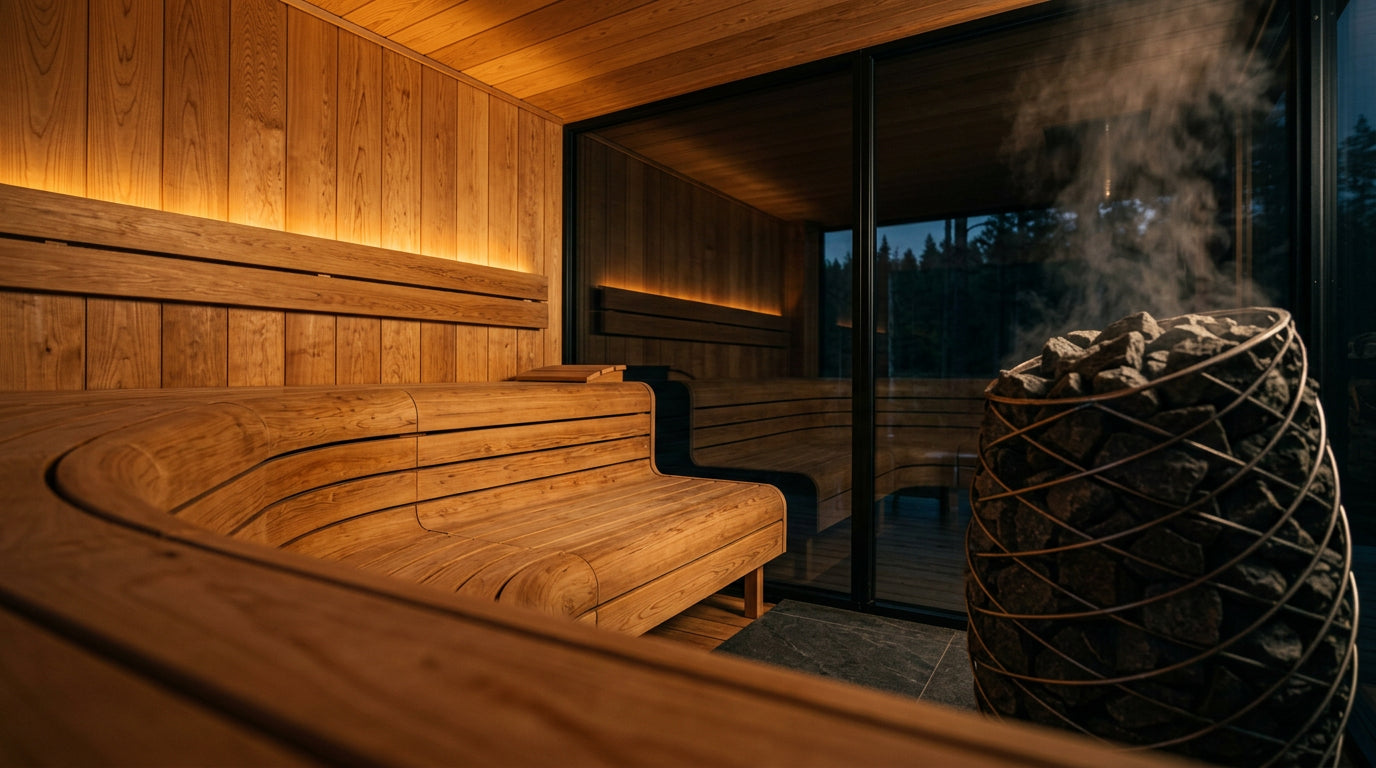
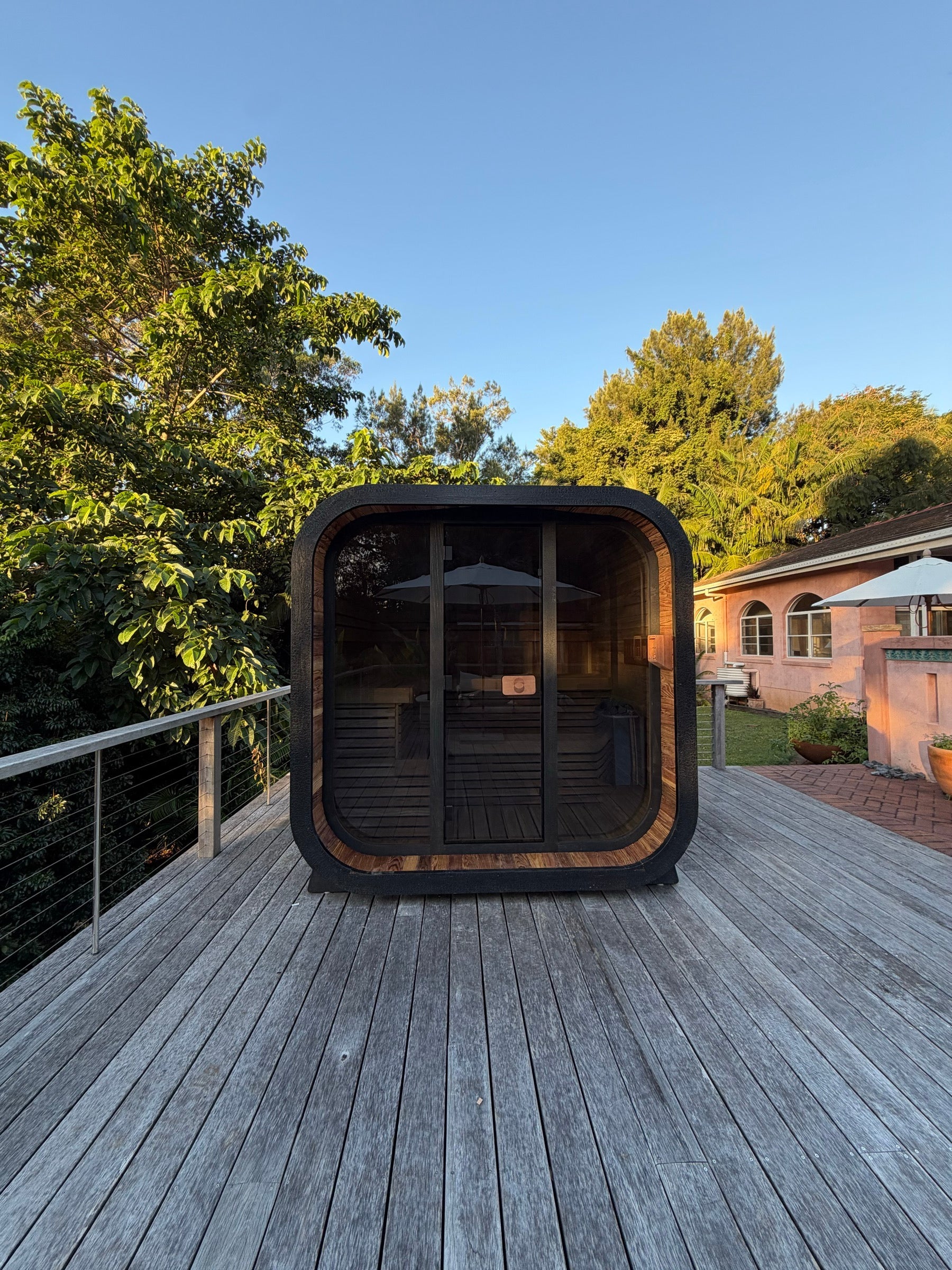
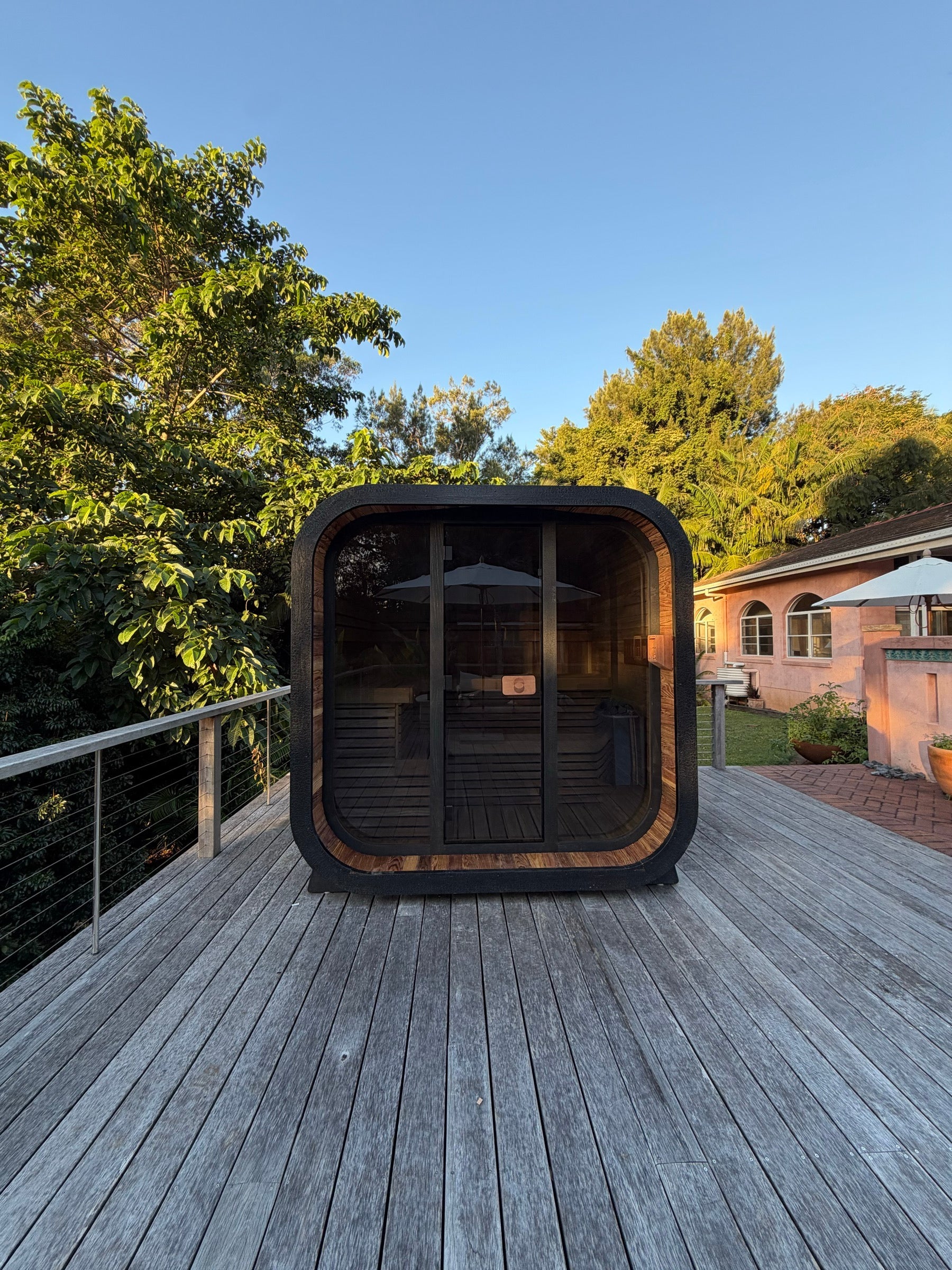
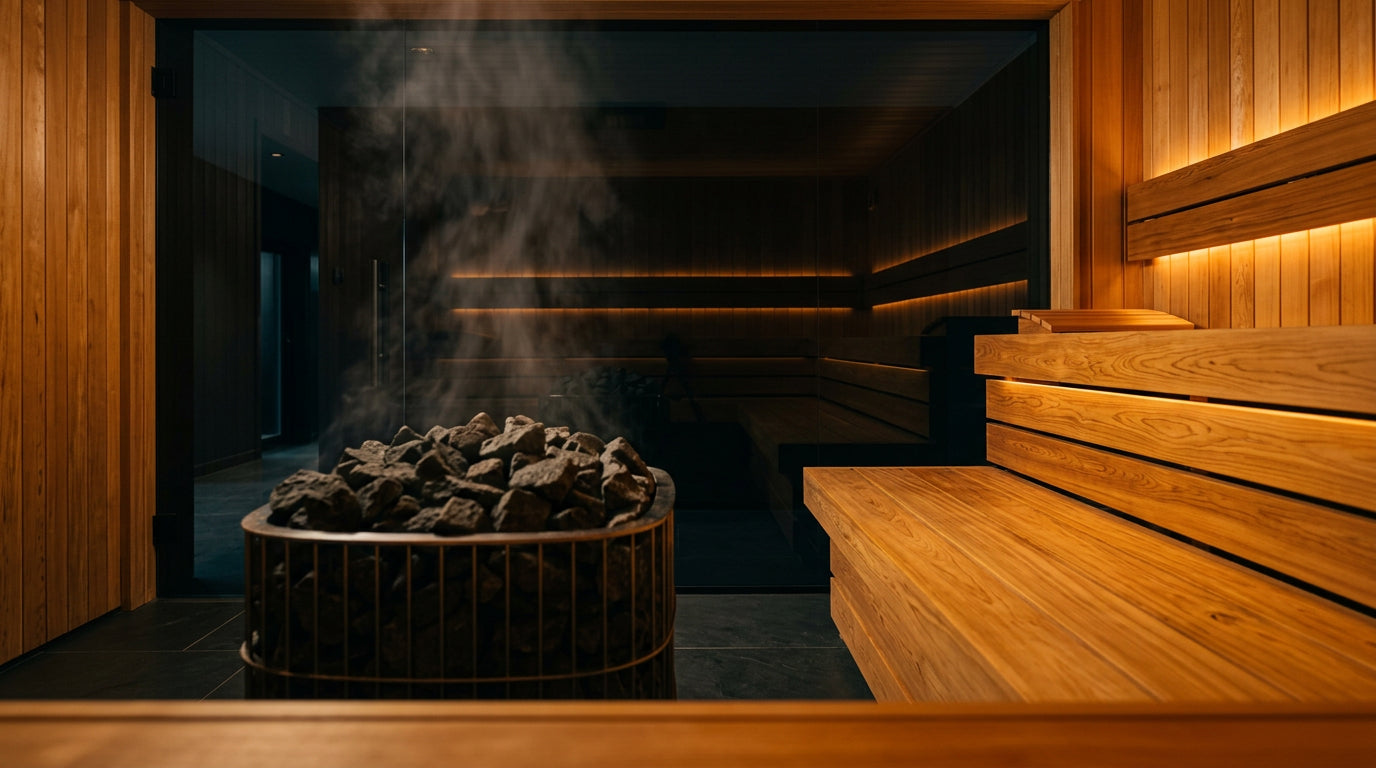
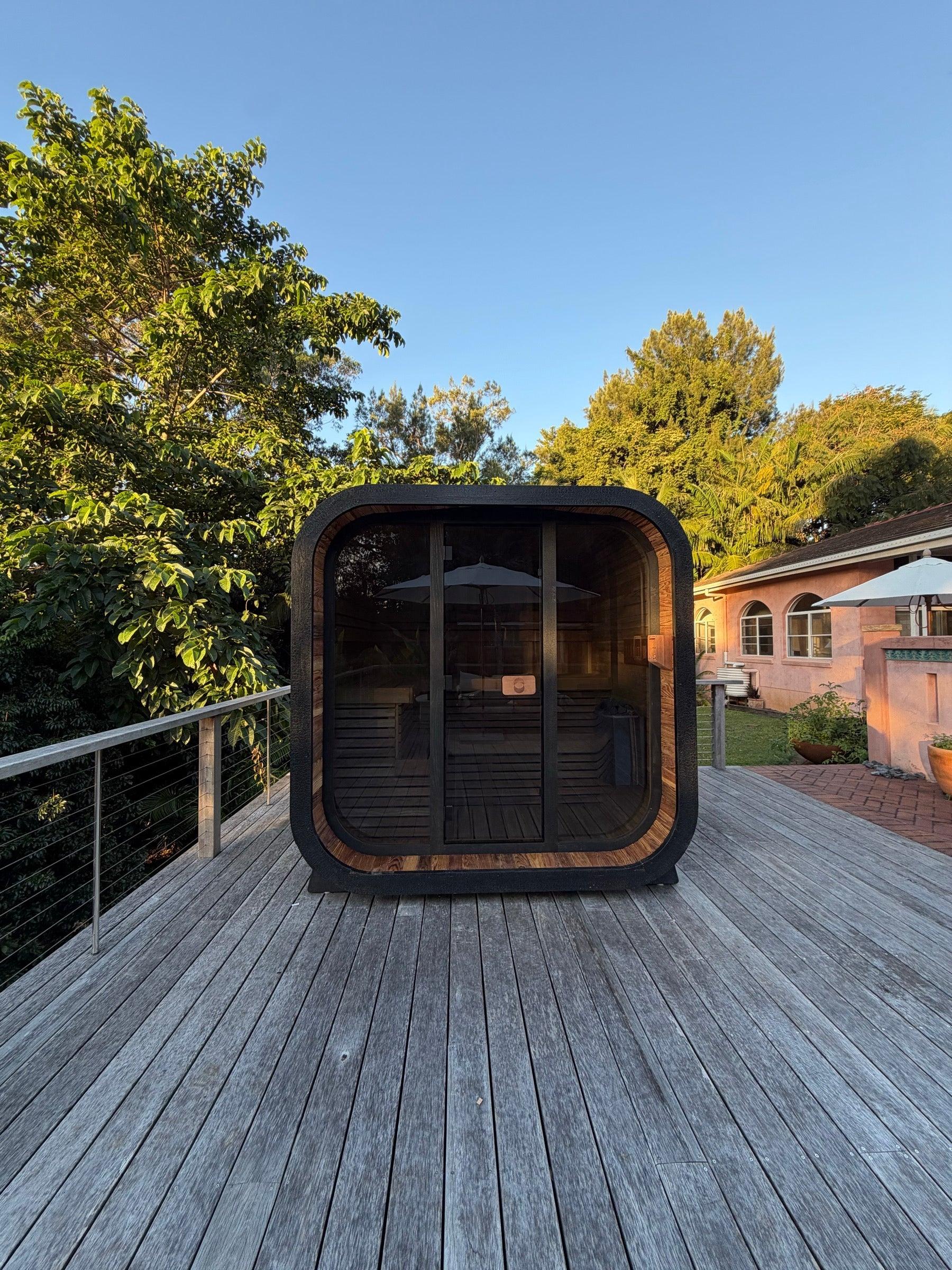

The Genesis Non-Toxic Traditional Home Sauna

The Genesis Mini Non-Toxic Traditional Home Sauna

The Origin Ice Bath